为金融、财富管理和保险构建可靠且智能的工作流
Building Reliable, yet Smart Workflows for Finance, Wealth and Insurance
原文由官网提供,中文由 GPT-6 Luna 翻译。相邻片段合并排版,正文与时间点保持对应。
已插入 26 张经核对的幻灯片或演示截图;点击图片可放大。图注链接为当前视频时间,左侧正文时间保留原转录版本,二者可能不同。
共 30 个阅读段落
大家好,我是 Karthic,Perpetual 的首席技术官。这次演讲中,我会谈谈如何为金融、财富管理和保险构建既可靠又智能的工作流。
Hello, I'm Karthic, CTO at Perpetual. In this presentation, I'll talk about building workflows that are both reliable and intelligent for finance, wealth and insurance.
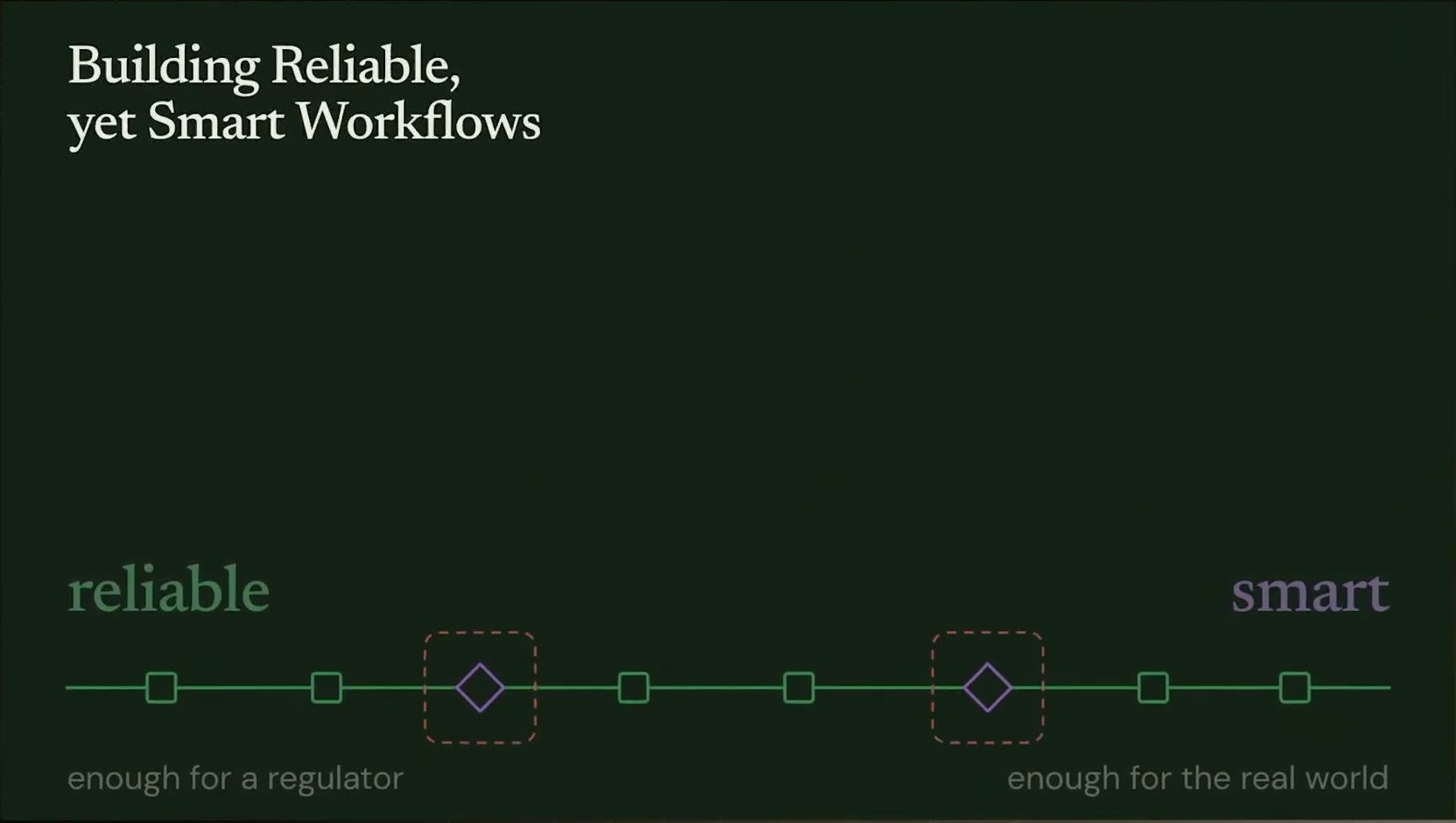
在受监管的领域,工作流必须足够可靠,以符合监管标准,同时也必须足够智能,能够应对现实世界。在金融和财富管理等领域,这既是技术问题,也是合规问题。可靠性和智能并非对立面。两者之间的边界由你来划定。这场演讲要讨论的就是如何决定边界在哪里。对我们来说,这不只是思想实验,而是一个会带来重大后果的问题。
In regulated domains, workflows must be reliable enough to meet regulatory standards while still being intelligent enough to handle the real world. In fields such as finance and wealth management, this presents both a technical and a compliance issue. Reliability and intelligence are not opposites. It is up to you where you draw the boundary between them. And that is the point of this talk, deciding where that boundary lies. For us, it's not merely a thought experiment, but a question that surfaces serious consequences.
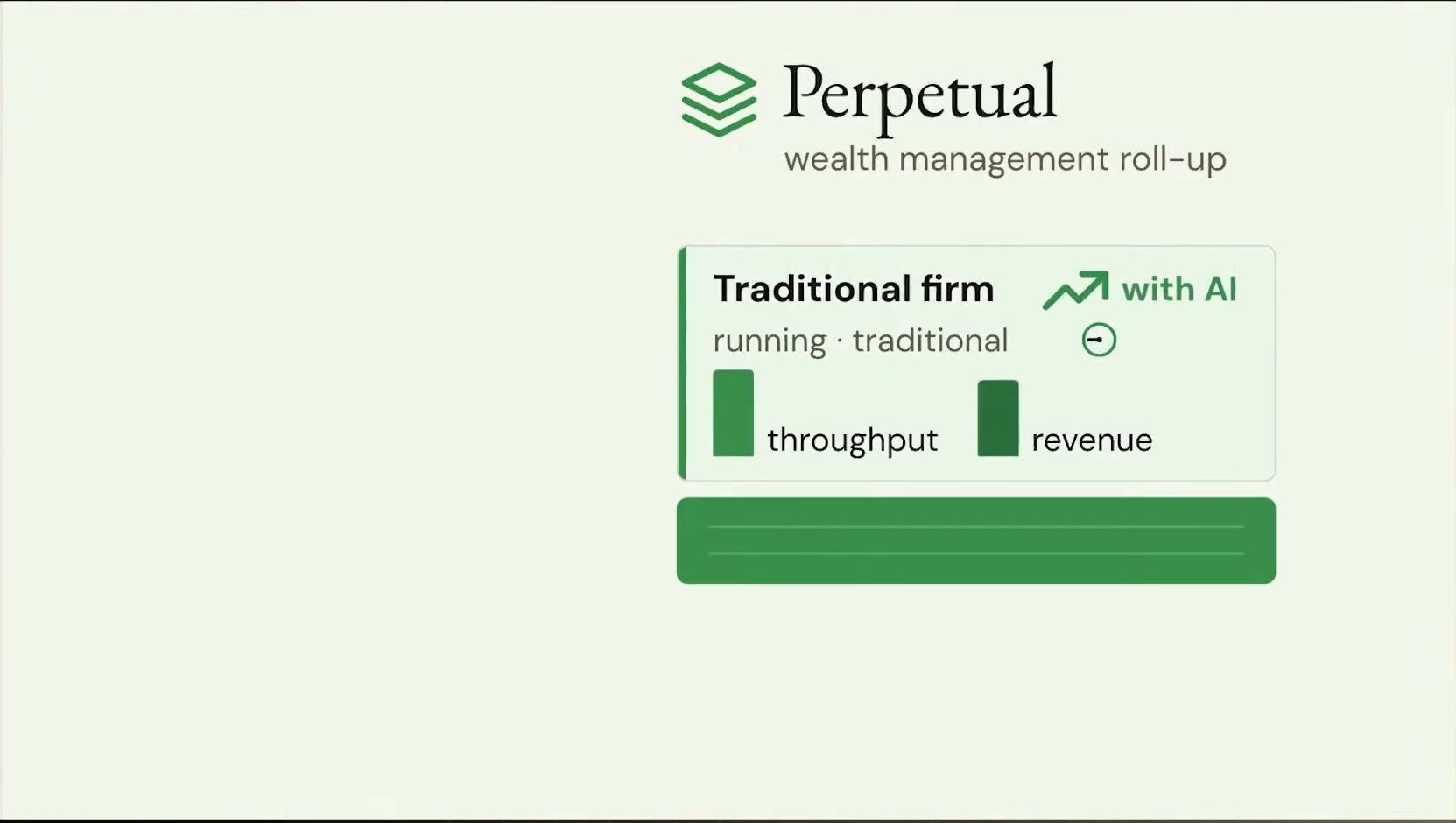
Perpetual 是一家通过收购整合财富管理公司的企业。我们收购仍在运营的传统财富管理公司,并借助 AI 最大限度地提升它们的处理能力和收入。财富管理是一个受监管的行业,我们正是在这里把 AI 构建并部署到生产环境。这场演讲所讲的一切,都立足于如何在这些约束下构建系统。
Perpetual is a wealth management roll-up. We acquire running traditional wealth management firms. And we maximize their throughput and revenue with the help of AI. Wealth management is a regulated industry. And that is where we build with AI in production. Everything in this talk is grounded in building for those constraints.
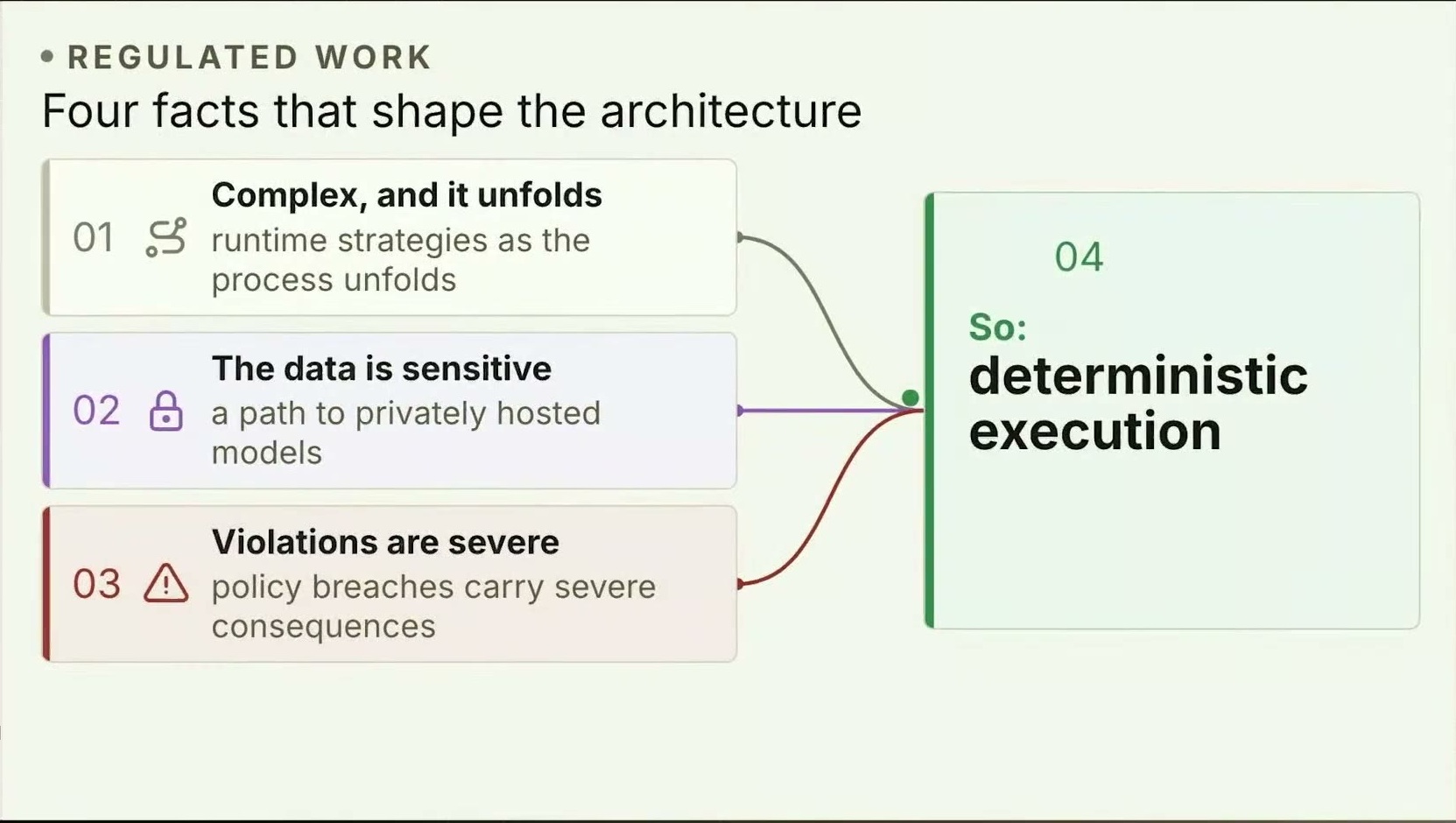
金融和财富管理领域的工作流有四个特点,而每个特点都把架构推向同一个方向。第一,它们很复杂,需要根据流程进展采取运行时策略。你无法预先编写每一条路径。第二,数据很敏感,因此你需要一条路径,把这些工作流完全迁移到私有托管模型上。第三,在高度受监管的行业里,违反政策不是一条 bug 报告,而是会造成严重后果。因此,第四,执行必须高度可靠且确定。只在运行时确实需要判断的地方注入智能,其他地方则尽量减少对 LLM 的依赖。
Workflows in finance and wealth management come with four facts, and each of them pushes the architecture in the same direction. First, they're complex and they need runtime strategies as the process unfolds. You can't script every path in advance. Second, the data is sensitive, so you need a path to move these workflows entirely onto privately hosted models. Third, in a highly regulated industry, a policy violation isn't a bug report. It has severe consequences. So, fourth, execution has to be highly reliable and deterministic. Inject intelligence only where runtime judgment is genuinely required and minimize reliance on LLMs everywhere else.
AI 正在受监管行业中普及,但对于如何以最少的 LLM 智能实现高可靠性,业界仍未就架构达成共识。与此同时,大型实验室教给开发者的,大多是如何消耗更多 token。
AI is spreading through regulated industries, but there's still no consensus on an architecture that gives you high reliability with the least use of LLM intelligence. Meanwhile, most of what developers hear from the big labs is how to burn more tokens.
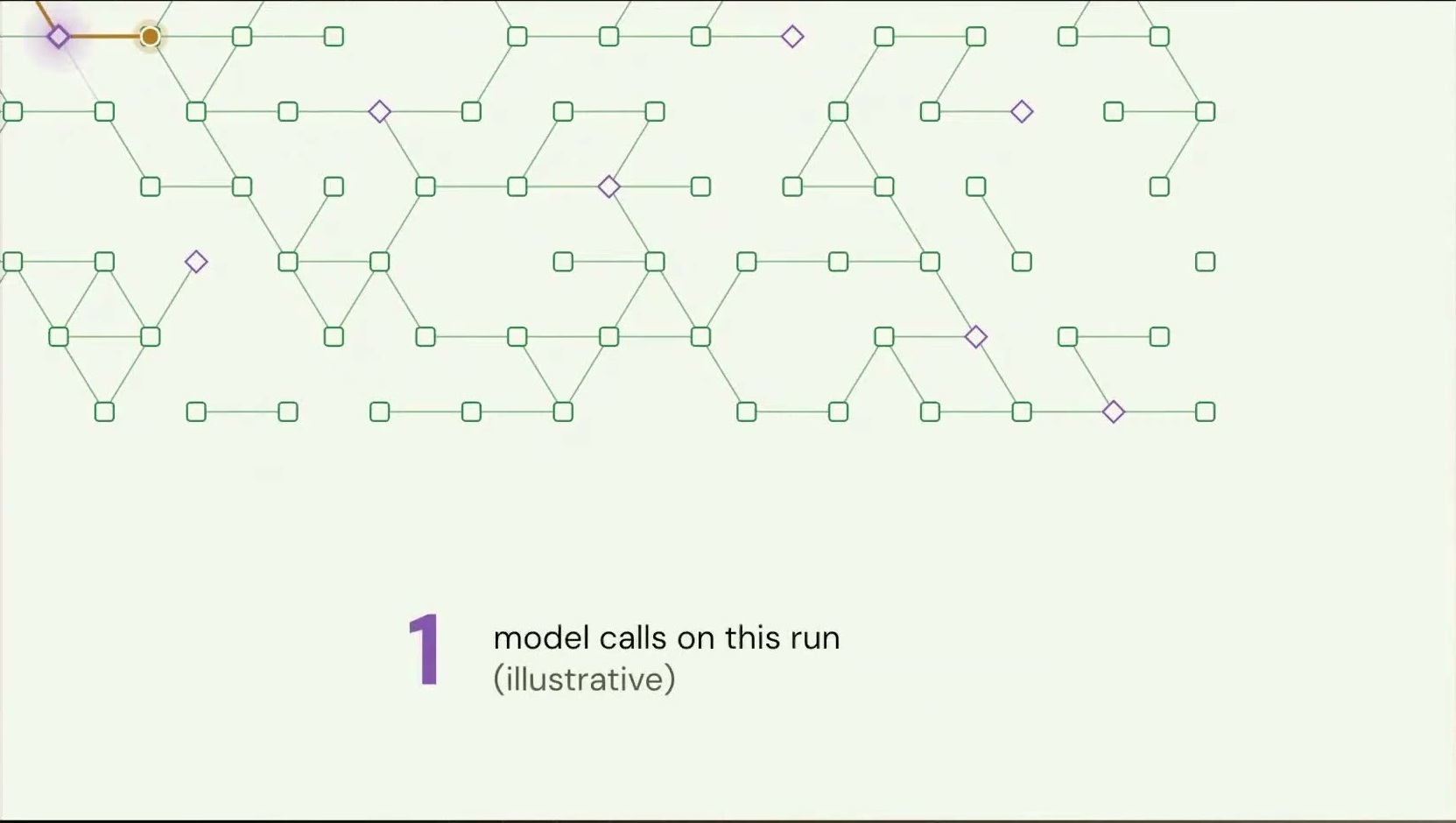
但在受监管行业里,最大化 token 用量是错误的目标。这些任务与主流程很接近。你可以预先列出它们,并把它们构建成一个大型状态机。这台状态机只需要少量智能来引导流程。大多数步骤只需沿着下一条边继续。只有少数判断节点需要模型选择分支。所以,明智的构建方式是有目的地尽量少用智能。让我们用一个真实的财富管理工作流具体说明。一位财富顾问转向助手,说了一句话:“替 Harper 先生填写 IRS W-9 表格。”对个人来说,这只是条简单指令。
But in a regulated industry, token maxing is the wrong goal. These tasks are close to main. You can lay them out in advance and build them into a massive state machine. And that machine needs only a sprinkle of intelligence to navigate it. Most steps just follow the next edge. Only at a few judgment points does the model pick a branch. So the intelligent way to build is to use intelligence minimally and on purpose. Let's make this concrete with a real wealth management workflow. A wealth advisor turns to their assistant and says one sentence. Fill out the IRS W-9 for Mr. Harper to a person that's a simple instruction.
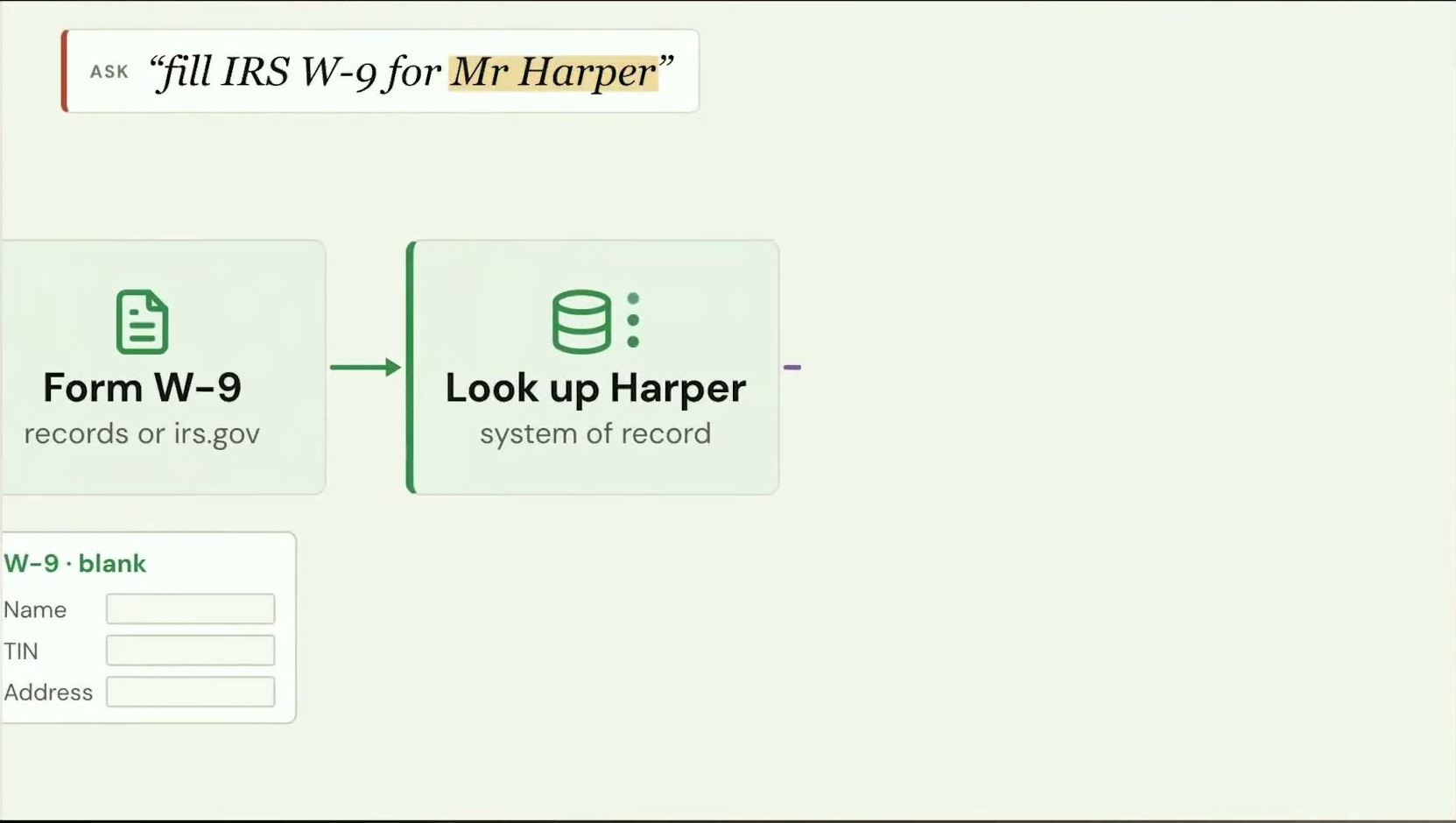
看看人真正执行它时,实际会触发什么。这项任务的复杂性远超表面所见。首先,助手会从公司记录或 IRS 网站上找到 W-9 表格。然后,他们会在记录系统中查找 Harper 先生,结果发现有 3 个 Harper 家庭。于是他们打电话给顾问:“你说的是哪一个 Harper?”只有消除这一歧义后,他们才会继续
Watch what it actually triggers when a human being executes it. The task has complexities that go beyond what meets the eye. First, the assistant finds form W-9 from the firm's records or from the IRS website. Then they look for Mr Harper in the system of record and find three Harper households. So they call the advisor. Which Harper do you mean? Only once that ambiguity is resolved do they move
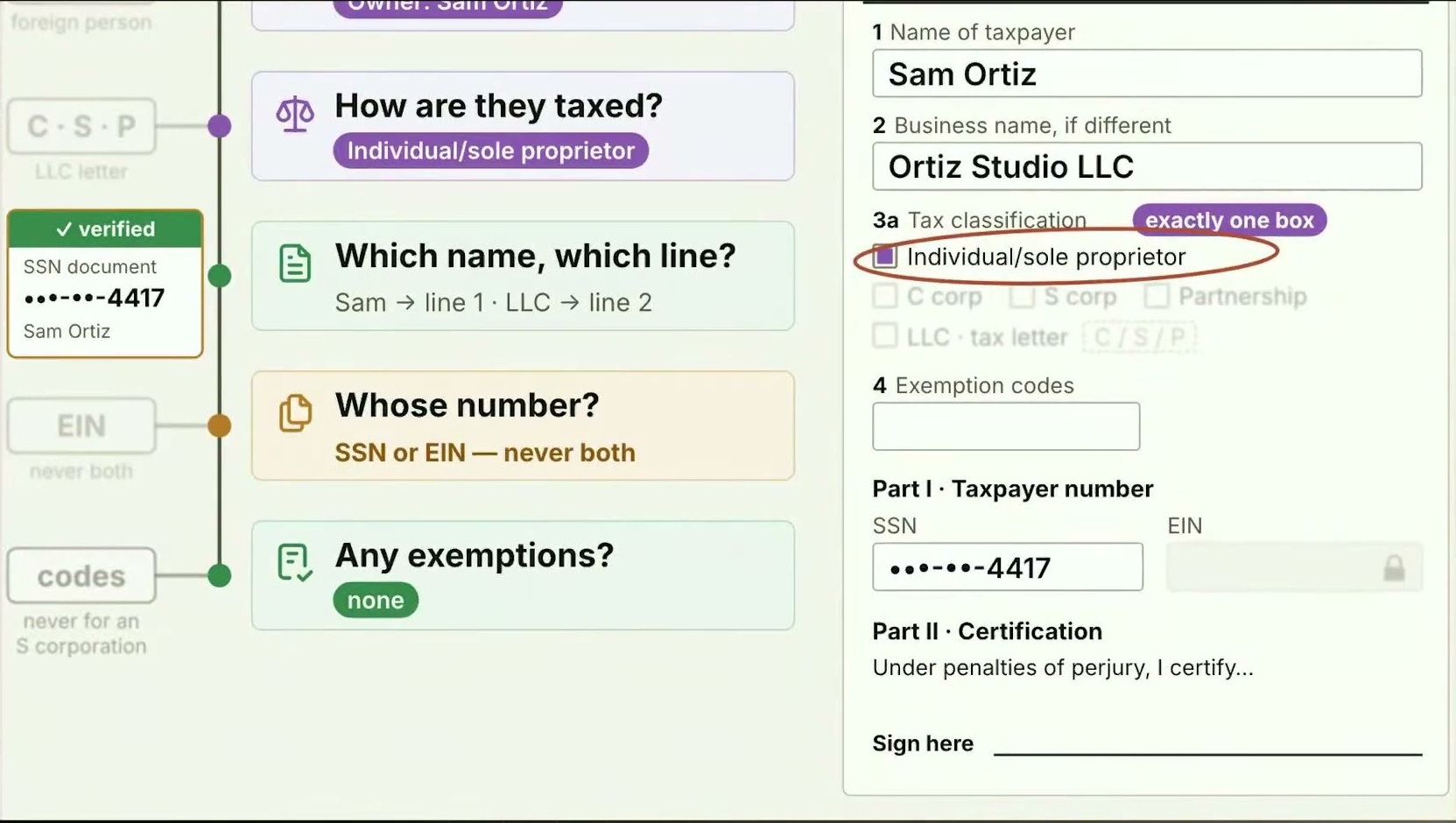
填写表格。查找、歧义处理和人工参与审核,在一项一句话任务的第一分钟内就全都出现了。填写表格听起来像是数据录入,其实不是。每份表格都是一个小程序。W-9 首先要确定纳税人是谁:个人,还是被忽略实体的所有者。如果是外国人士,流程到这里就停止,因为他们需要填 W-8。接着要确定如何纳税。第 3A 行只能勾选一个框;如果是 LLC,还要填上相应字母。这决定了哪一个姓名填在第 1 行,哪一个填在第 2 行。然后是用谁的号码?SSN 或 EIN,绝不能两者都填,而且必须取自经验证的文件,不能凭记忆填写。免税代码只适用于某些实体,绝不能用于 S 型公司。
on to the form. A lookup, an ambiguity and a human in the loop all in the first minute of a one line task. Filling a form sounds like data entry. It isn't. Every form is a small program. A W9 first decides who the taxpayer is, the person or the owner if it's a disregarded entity. A foreign person stops right here because they need a W8 instead. Then how they're taxed? Exactly one box on line 3A and an LLC adds its letter. That decides which name goes on line 1 and which on line 2. Then whose number? An SSN or an EIN. Never both. Taken from a verified document. never from memory. Exemption codes apply only to some entities and never to an S-corporation.
最后,谁要在伪证处罚条款下签字?每个答案都会改变接下来的问题,相关人员实际只会看到三类关卡:一个问题、一份待收集的文件,或者……
And finally, who signs under penalties of perjury? Each answer changes the next question and the people involved only ever see three kinds of gates, a question, a document to collect, or
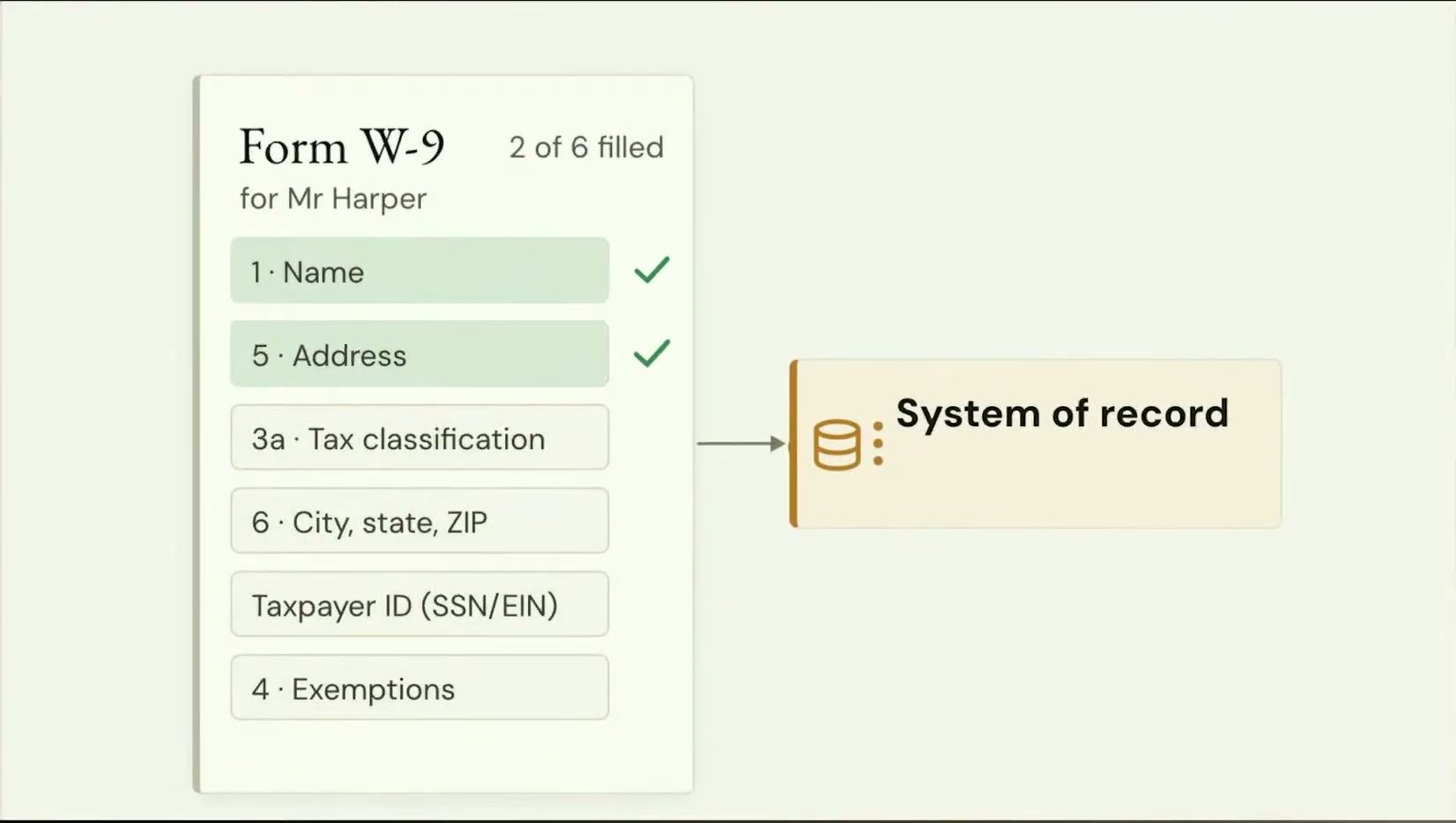
现在他们开始填写表格,却发现记录系统里缺少 3 项所需信息。他们再次检查已有文件和记录系统,仍然缺少,于是他们开始给客户发送邮件,明确索取这 3 项信息。这项任务现在取决于公司之外的人,并要按对方的时间安排推进。
a signature. Now they start filling the form and realize the system of record is missing three of the values it needs. They check the documents on file and the system of record again still missing so they start an email thread with the client asking for exactly those three values. The task now depends on someone outside the firm on their timeline.
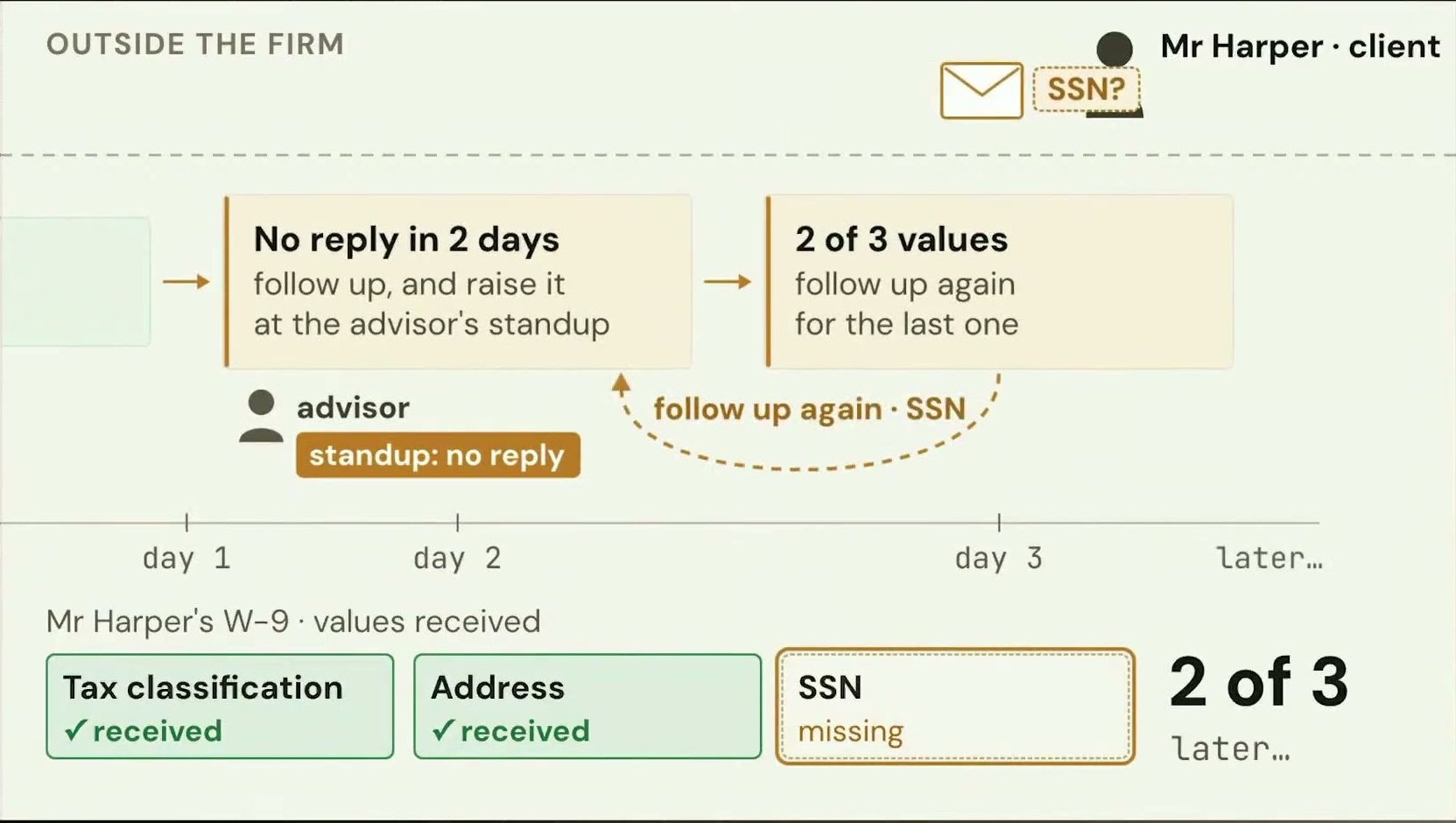
此时工作流会等待。请求已经发给客户,但 3 项信息仍然全部缺失。如果客户两天内没有回复,助手就会跟进,并把这件事带到提交给顾问。如果客户只回复了 3 项中的 2 项,顾问的每日站会上。如果客户只回复了 3 项中的 2 项,新信息连同获取这些信息的过程记录,一起写回记录系统。在这个行业里,你如何得知一项信息,与信息本身同样重要。
now the workflow waits. The request is with the client and all three values are still missing. If the client doesn't reply within two days, the assistant follows up and brings it to the advisor at the daily stand up. If the client replies with only two of the three values, they follow up again for the missing one. When all three arrive, they complete the form and write the new information back to the system of record, including the trail of how they obtained those values. In this industry, how you know a value matters as much as the value itself.
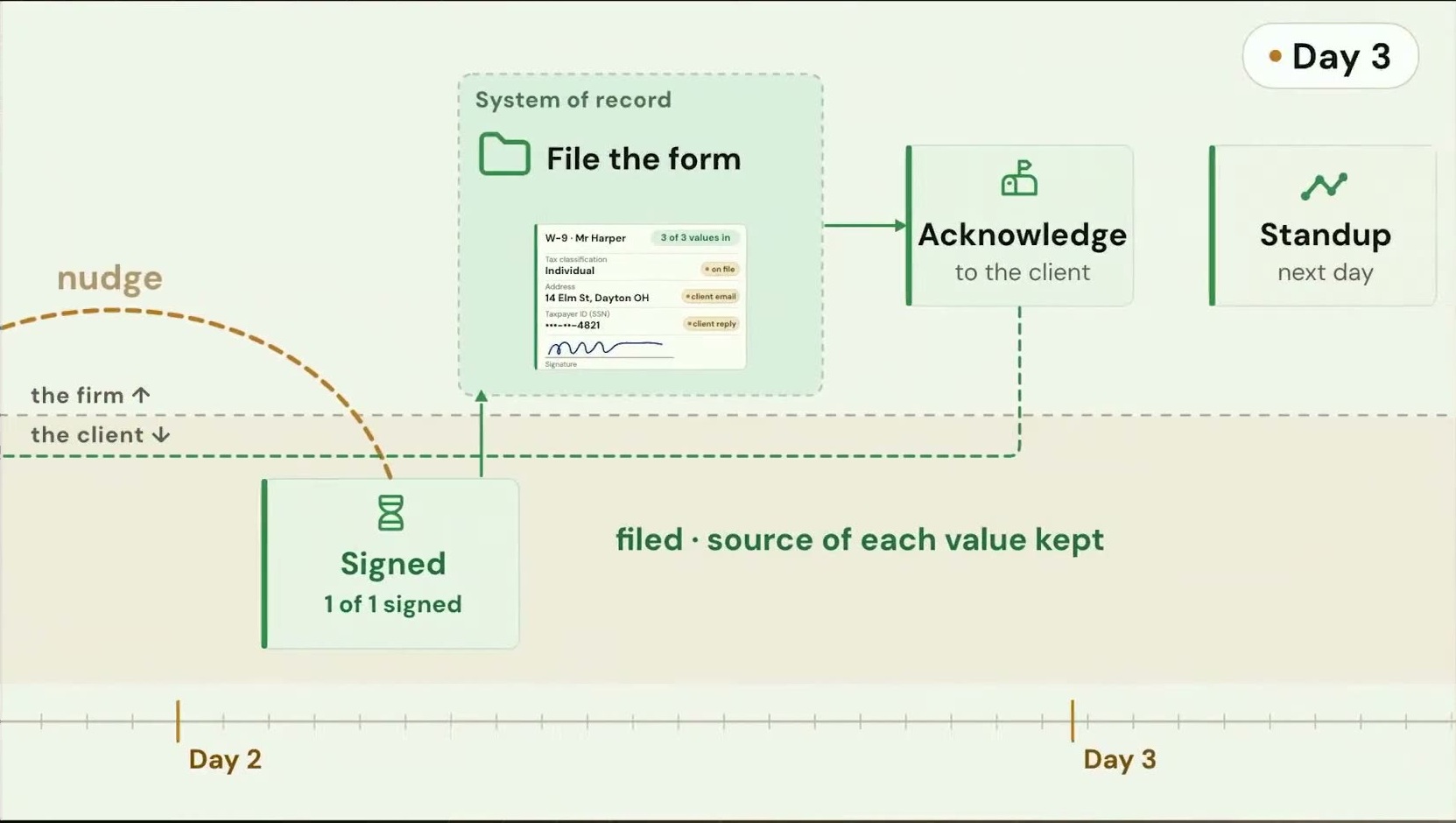
表格填写完后,会发出去进行电子签名。如果客户一两天内没有签字,助手会再次提醒。签好之后,他们会为客户归档、发送确认信息,并向顾问更新情况,在第二天的站会上。顾问的一句话变成了一个持续数天、跨越多个系统的流程,需要两个人参与,还会多次回环。
Once the form is filled, it goes out for e-signature. If the client doesn't sign within a day or two, the assistant nudges them again. Once it's signed, they file it for the client, send the acknowledgement and update the advisor at the next day's stand-up. One sentence from the advisor became a process that runs for days, crosses several systems, weights on two people and loops back on itself more than once.
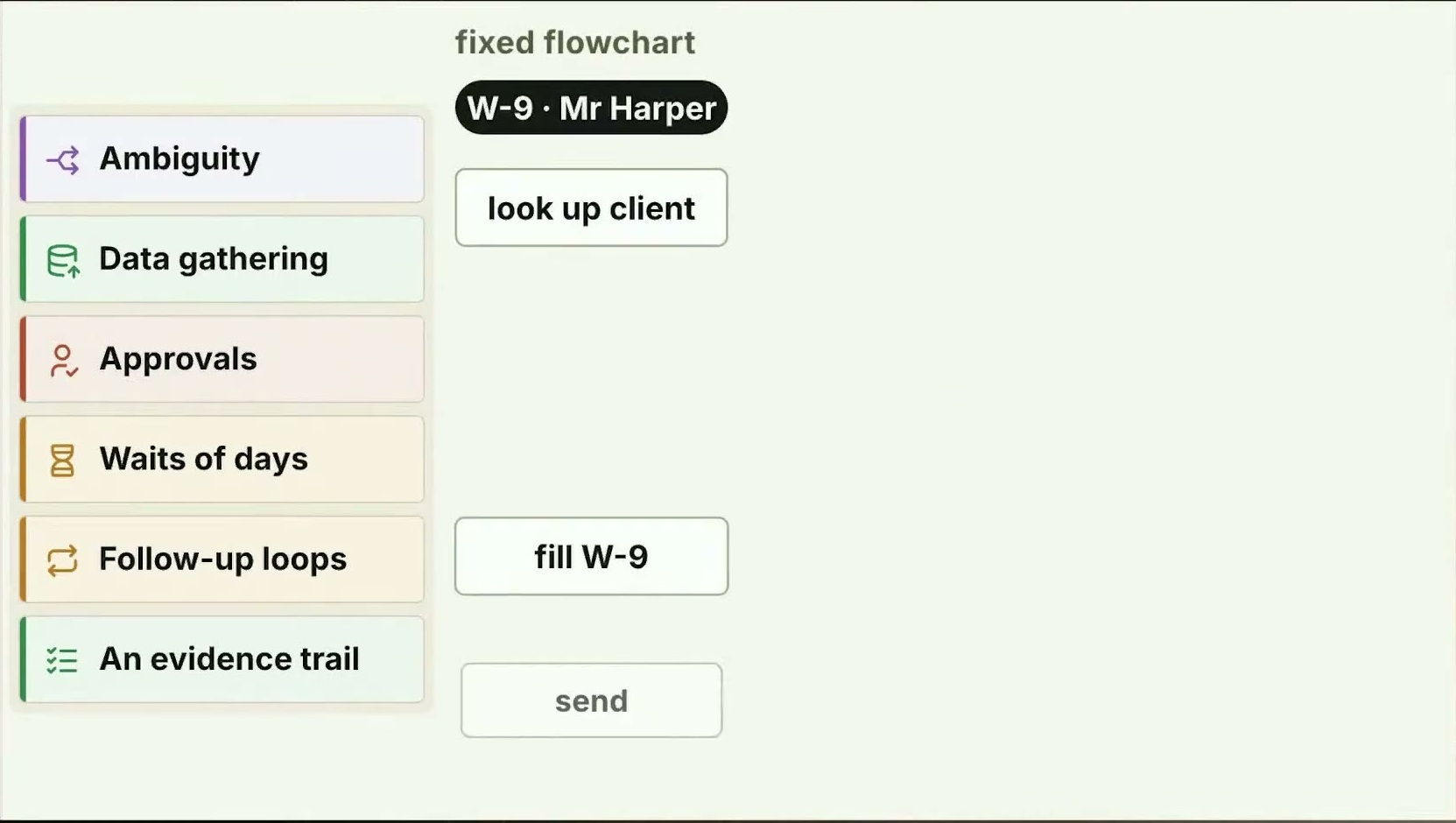
看看那句话里包含什么:需要消除的歧义,需要汇总的数据、审批、以天计的等待、跟进循环,以及一条最终的证据轨迹。工作流自动化工具确实存在,但它们很少能处理这种现实世界的复杂性和歧义。固定流程图会在第一个“witch harbour”处失效;而如果缺少原生记录系统及其集成,再加上一个靠即兴发挥来推进流程的智能体,这正是合规团队无法签字批准的做法。
Look at what's inside that one sentence. Ambiguity to resolve data together. Approvals, weights measured in days, follow-up loops and an evidence trail at the end. Workflow automation tools exist, but they rarely handle this real-world complexity and ambiguity. A fixed flowchart breaks at the first witch harbour and the lack of a native system of record with an integration and an agent that improvises its way through is exactly what a compliance team can't sign off on.
一种方案会被歧义卡住,另一种方案则无法获批。两者都无法处理那句话里包含的内容。那么该怎么办?流行的说法
One breaks on ambiguity, the other can't be signed off. neither handles what's inside that sentence. So what do we do about it? The fashionable framing
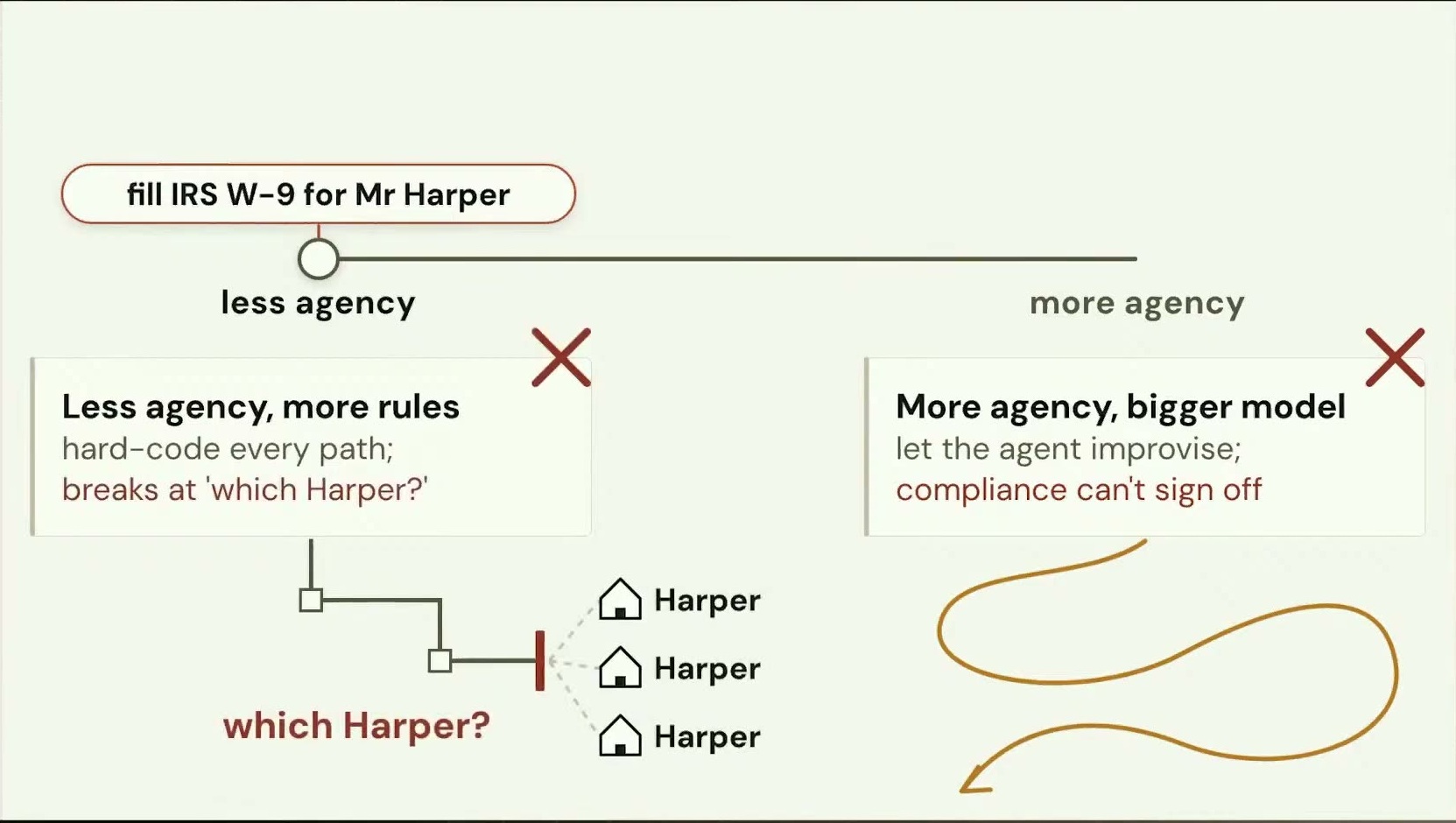
是增强智能体的自主性并使用更好的模型:把整个任务交给智能体,再期待下一个模型能让它变得可靠。尤其在受监管企业内部,直觉上的回答恰恰相反:减少自主性、增加规则、严格限制,并把每条路径都硬编码。这两种做法都没有抓住正确的维度。在受监管的垂直行业里,可靠性取决于你把两者之间的边界放在哪里,也就是哪些部分必须确定执行,哪些部分确实需要判断。
is more agency and better models. Given agent the whole task and wait for the next model to make it reliable. The reflexive answer, especially inside regulated firms, is the opposite. Less agency, more rules, lock it down and hard code every path. Both are the wrong axis. In regulated verticals, reliability comes from where you place the boundary between the two, between the parts that must be deterministic and the parts that genuinely need judgment.
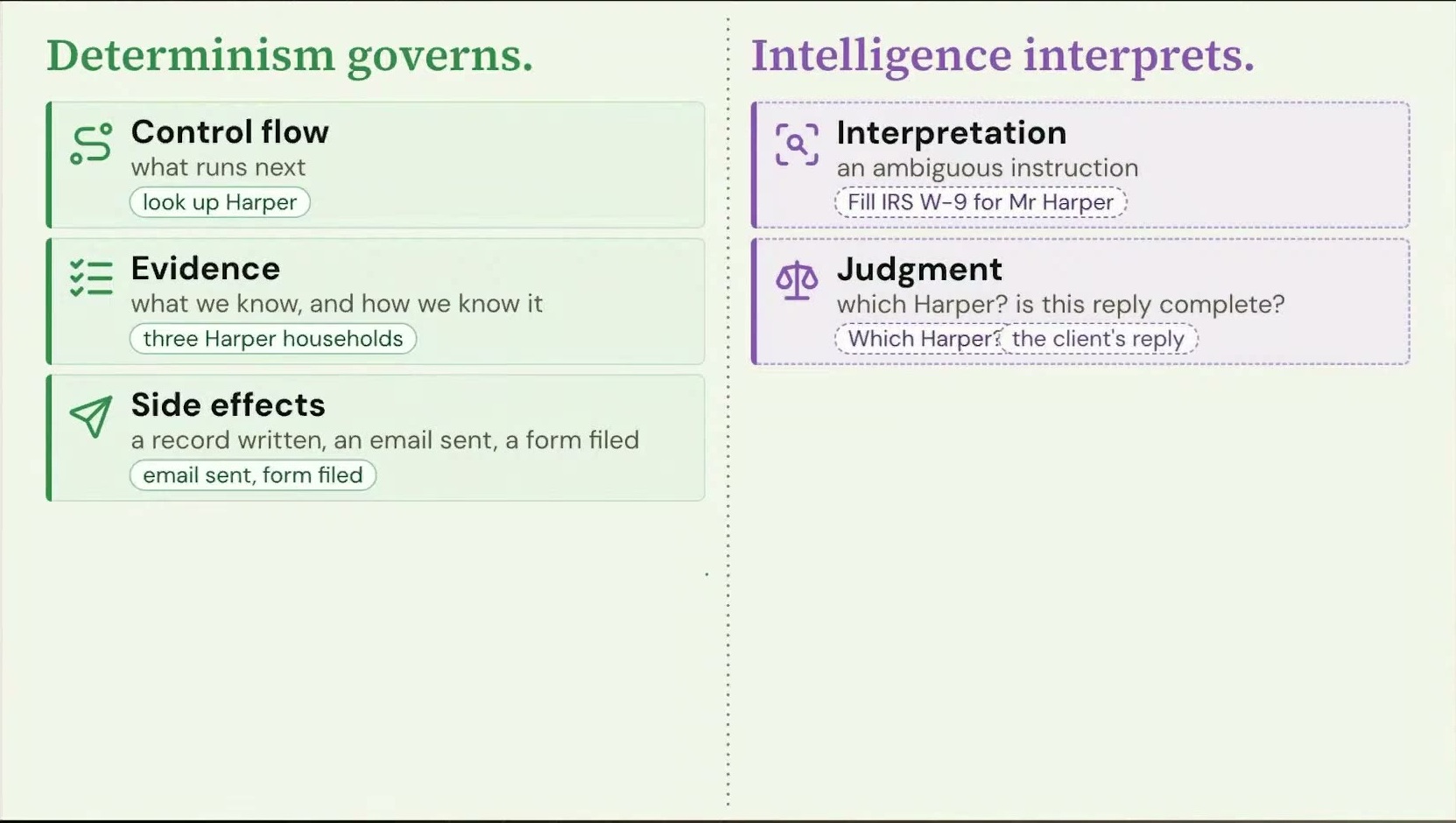
原则如下:确定性负责控制流、证据和副作用。包括接下来运行什么、我们知道什么以及如何知道,还有任何会改变外部世界的事情,例如写入记录、发送邮件或归档表格。
Here's the principle. Determinism governs control flow, evidence, and side effects. What runs next, what we know, and how we know it, and anything that changes the world, like a record written, an email sent, or a form filed.
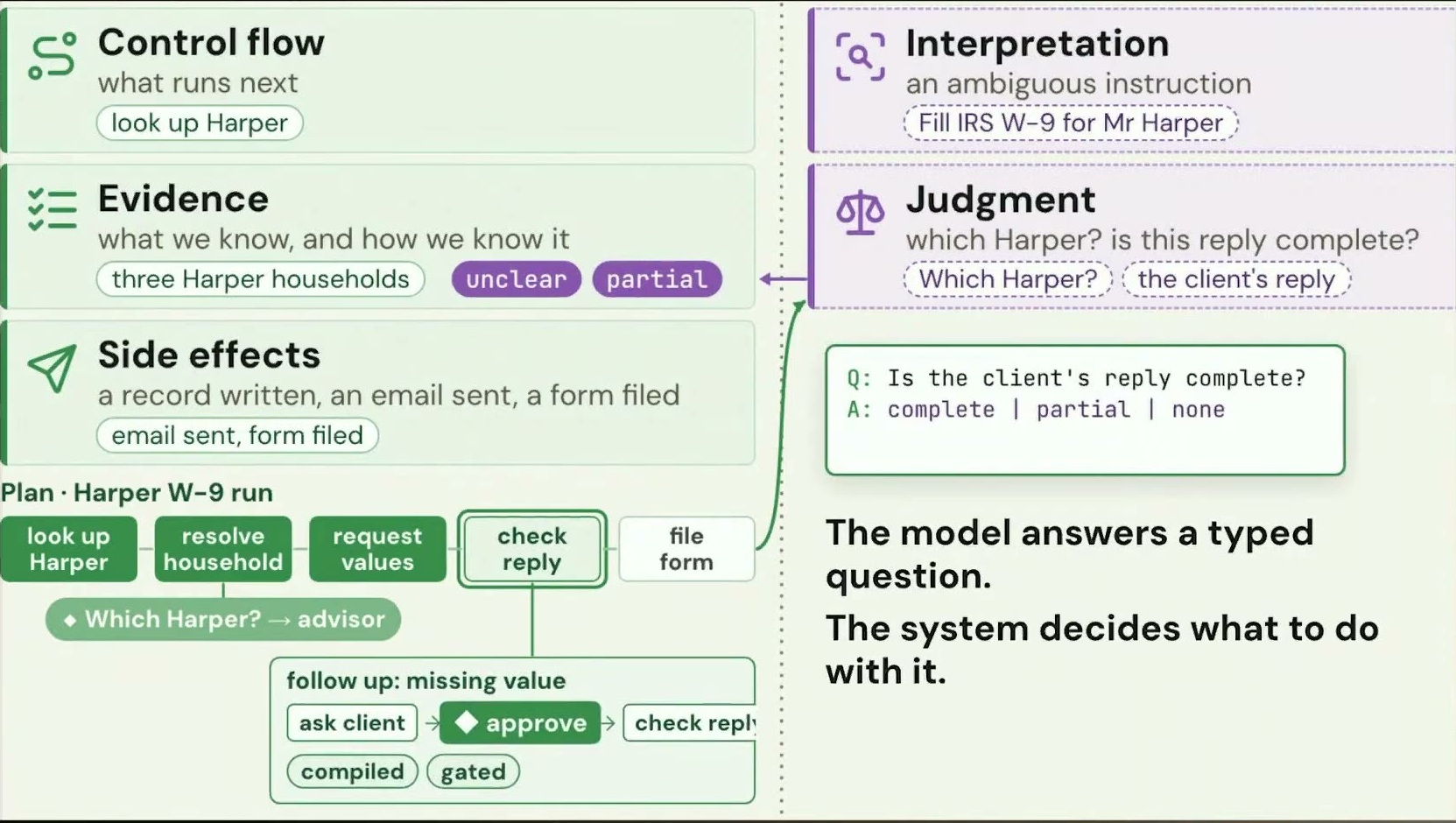
智能负责解释和判断:阅读有歧义的指令、决定是哪位 Harper、理解客户的回复。模型回答一个有明确类型的问题,确定性系统再决定如何处理答案;两者会递归交互。一次判断可以开启一个新的、更小的计划;这个计划会再次编译、设置关卡并以确定方式执行。稍后你会看到跟进流程中的例子。两者之间的边界,就是设计本身。下面介绍我们构建的工作流引擎如何运作。请求会交给规划器。这是一次模型调用,它的唯一任务就是翻译请求。它会输出一个带类型的语义图,包含意图、实体、事实、工件、事件和
Intelligence provides interpretation and judgment. Reading an ambiguous instruction, deciding which Harper, understanding a client's reply. The model answers a typed question and the deterministic system decides what to do with the answer and the interplay is recursive. A judgment can open a new smaller plan that's compiled, gated and deterministic again. You'll see that in a moment with follow ups. The boundary between the two is the design. Here's how that works in the workflow engine we've built. The request goes to a planner. That is a model call and its only job is translation. It emits a typed semantic graph of intents, entities, facts, artifacts, events, and
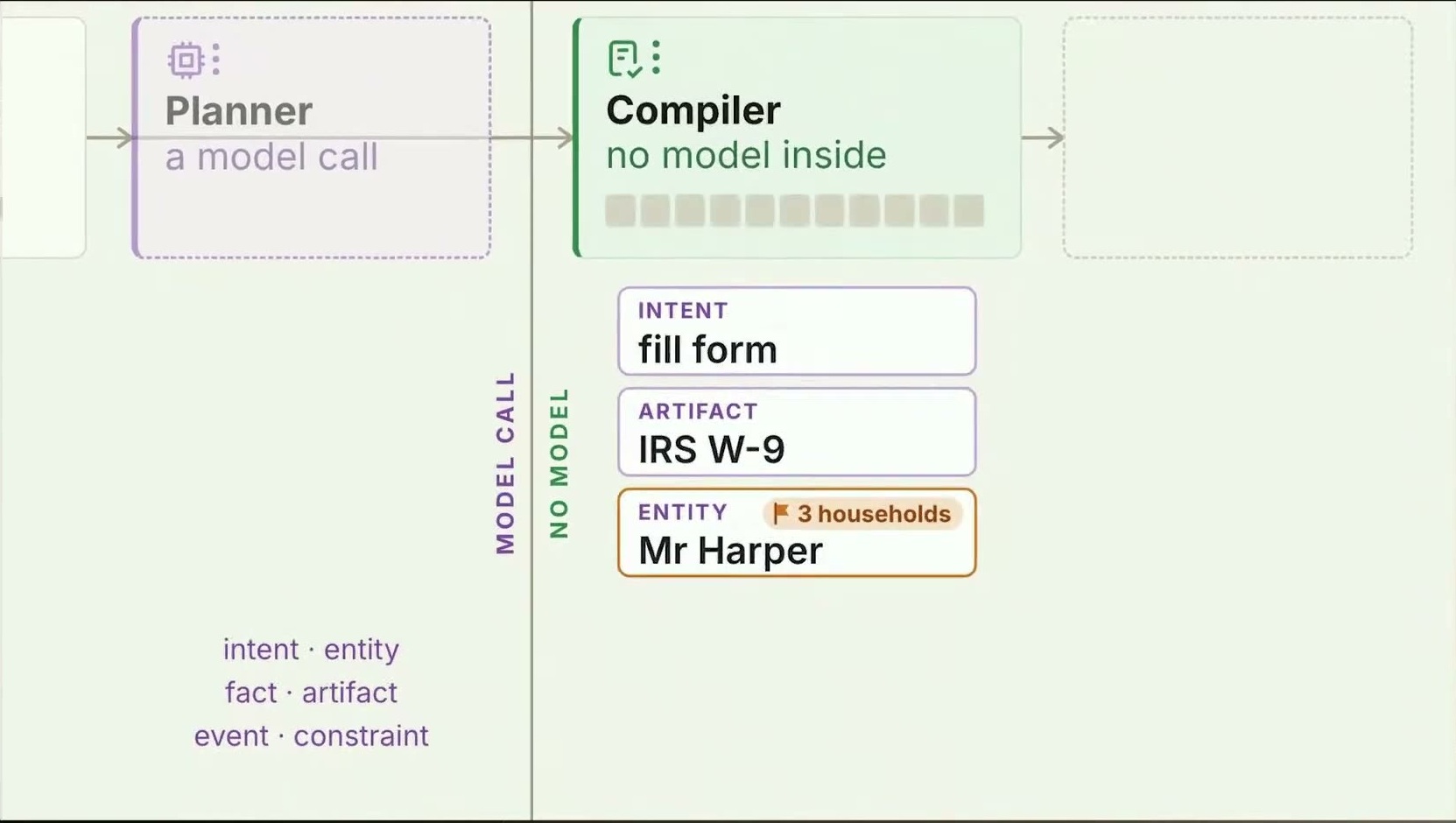
约束;每一项都以请求中的原话为依据,并包含它发现的所有歧义。每个节点都指回它所源自的原文。接着,这张图会交给一个从不调用模型的编译器。编译器会经过 11 个确定性阶段,将语义图转换成执行标签,否则安全拒绝。判定结果只有 3 种:有效、需要澄清,或拒绝。“是哪位 Harper?”会作为问题返回,而不是猜测。计划经过编译后不可变,并由其哈希值固定。
constraints, each grounded in the words of the request with any any ambiguities it found. Every node points back to the words it came from. That graph goes to a compiler that never calls a model. In 11 deterministic stages, it turns the graph into an execution tag or it fails closed. There are only three verdicts. Valid needs clarification or refused. Which Harper comes back as a question, not a guess. The plan is is compiled, immutable and pinned by its hash.
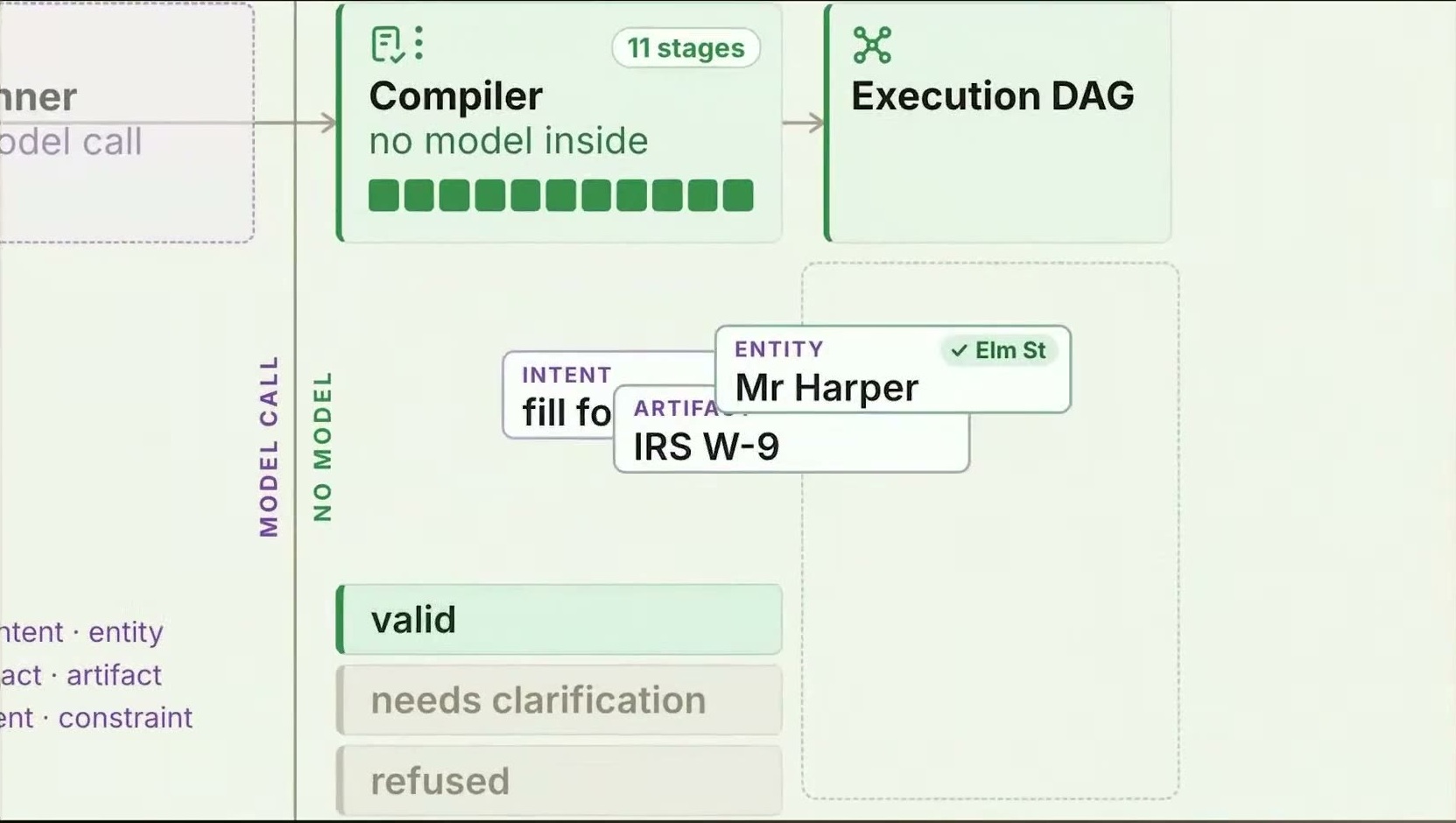
模型负责翻译,计划负责编译。编译器会根据语法检查计划;语法规定了公司允许执行的操作。针对表格、文件、邮件、电子签名、日历和人工步骤,总共定义了 42 种带类型的操作契约。规划器要求执行的每个操作都必须匹配一个契约。这里,填写表格会匹配表格契约并被固定下来。如果规划器要求执行语法中没有的操作,或把操作错误地连接起来,
The model translates. The plan is compiled. The compiler checks the plan against the grammar. The vocabulary of what the firm is allowed to do. 42 typed action contracts across forms, documents, email, e-signature, calendar and human steps. Each action the planner asks for has to match a contract. Here form fill finds its forms contract and locks in. If the planner asks for an action that isn't in the grammar or wires
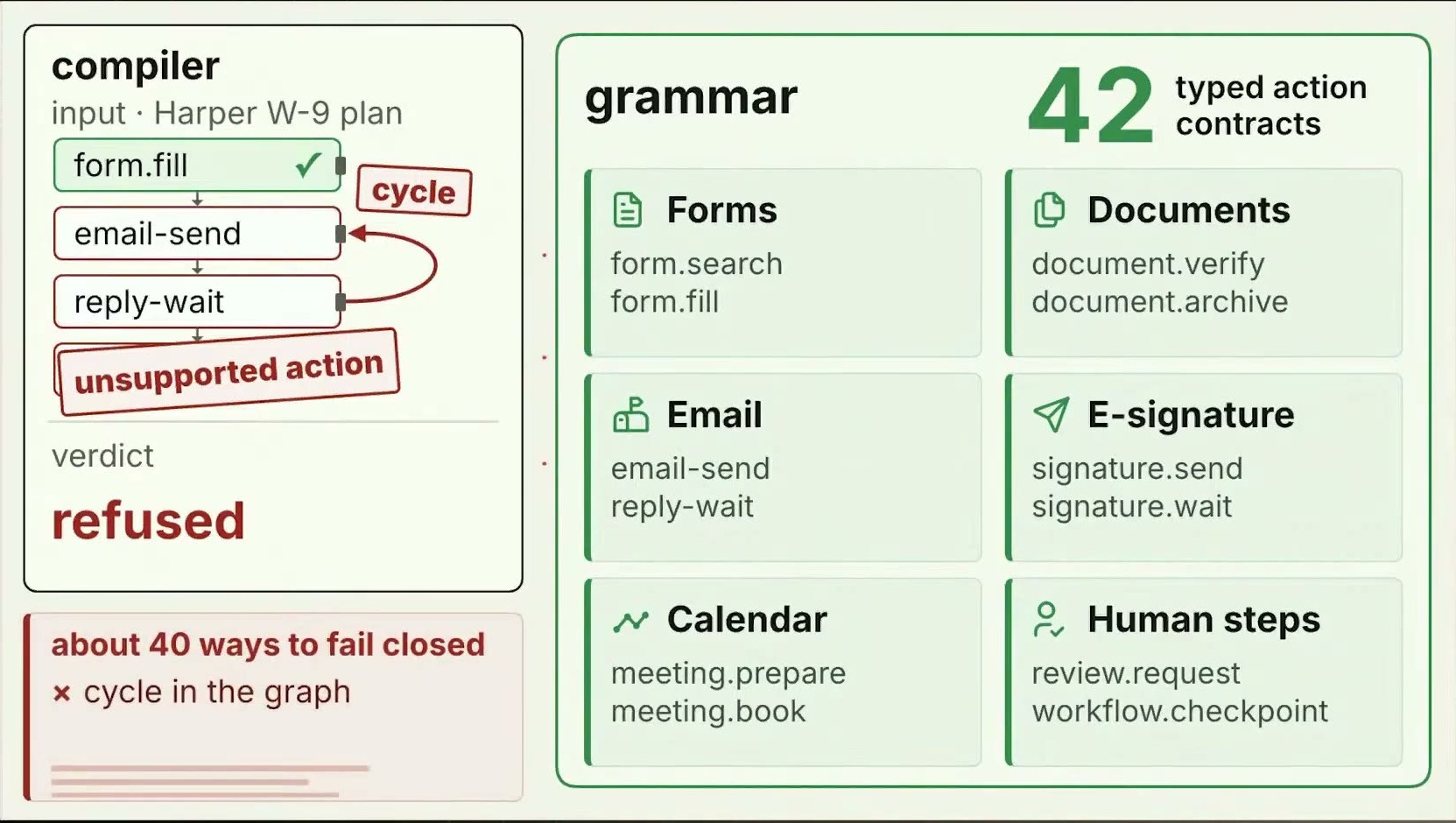
编译器就会拒绝。大约有 40 种情况会导致系统安全拒绝,从图中出现循环到要求执行不受支持的操作,都包括在内。同一份契约摘要(digest)会固定在引擎、后端和 UI 中,因此三者对每个操作的含义都保持一致。这就是封闭领域的好处:模型只能请求公司已知如何安全执行的事项。这里是一个 W-9 催办流程的已编译计划:把表格发给客户,等待表格寄回,检查并归档。
one up wrong, the compiler refuses. There are about 40 ways to fail closed from a cycle in the graph to an unsupported action And the same contract digest is pinned in the engine, the backend and the UI. So all three agree on what an action means. That is what a closed domain buys you. The model can only ask for things the firm already knows how to do safely. Here is a compiled plan for a W9 chase. Send the client the form, wait for it to come back, check it and file it.
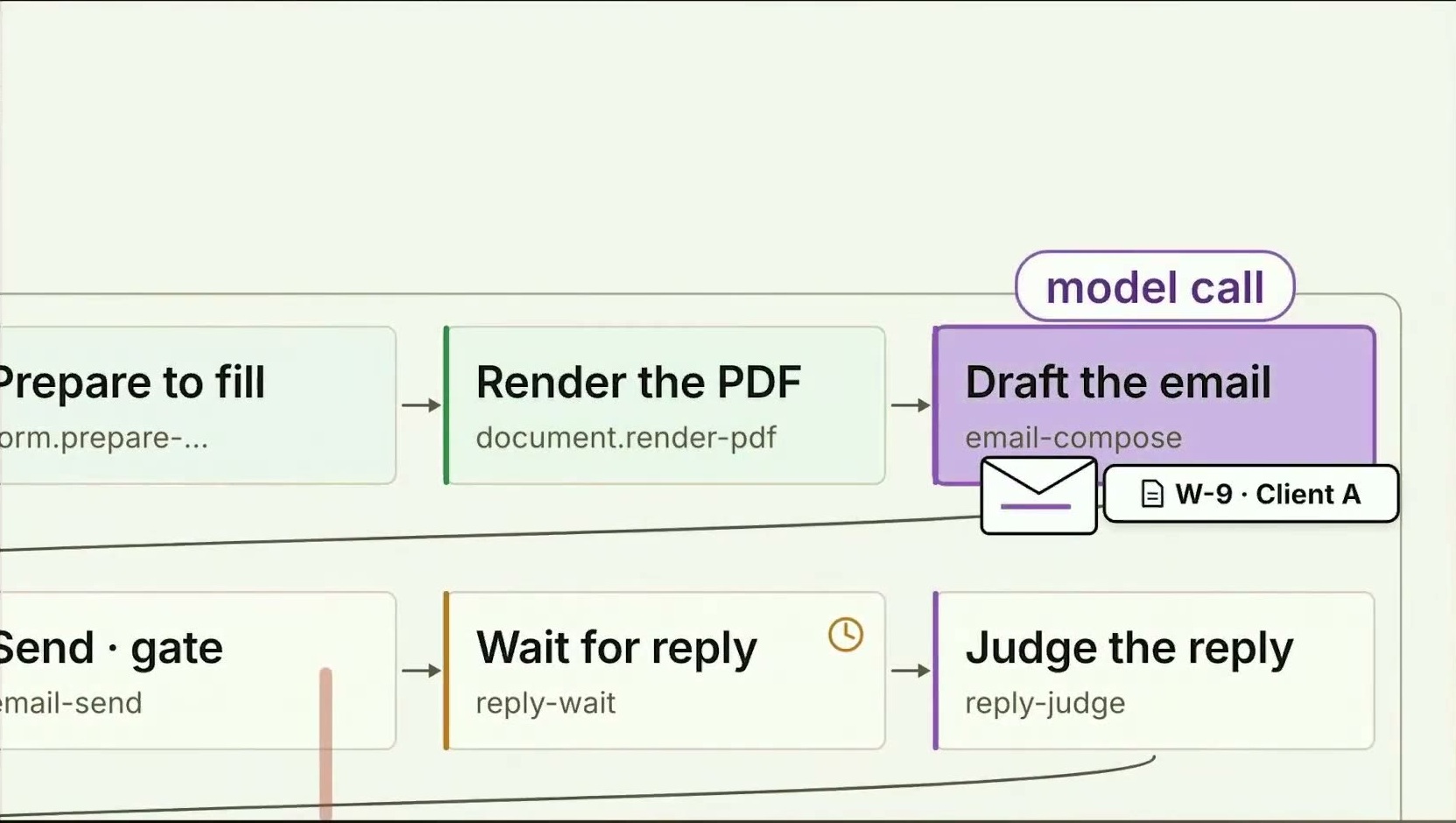
在任何操作运行之前,先由人批准计划本身。找到表格,准备好让客户填写,渲染 PDF,并起草邮件。起草邮件需要调用模型,所以图示中标成紫色。发送邮件属于操作关卡。在有人批准那封确切的邮件之前,任何内容都不会离开公司。随后计划会等待回复,再由判断模块介入读取回复。
Before anything runs, a person approves the plan itself. Find the form, prepare it for the client to fill, render the PDF and draft the email. Drafting is a model call, so it is violet. Sending is an action gate. Nothing leaves the firm until a person approves that exact email. Then the plan waits for a reply and a judge steps in to read it.
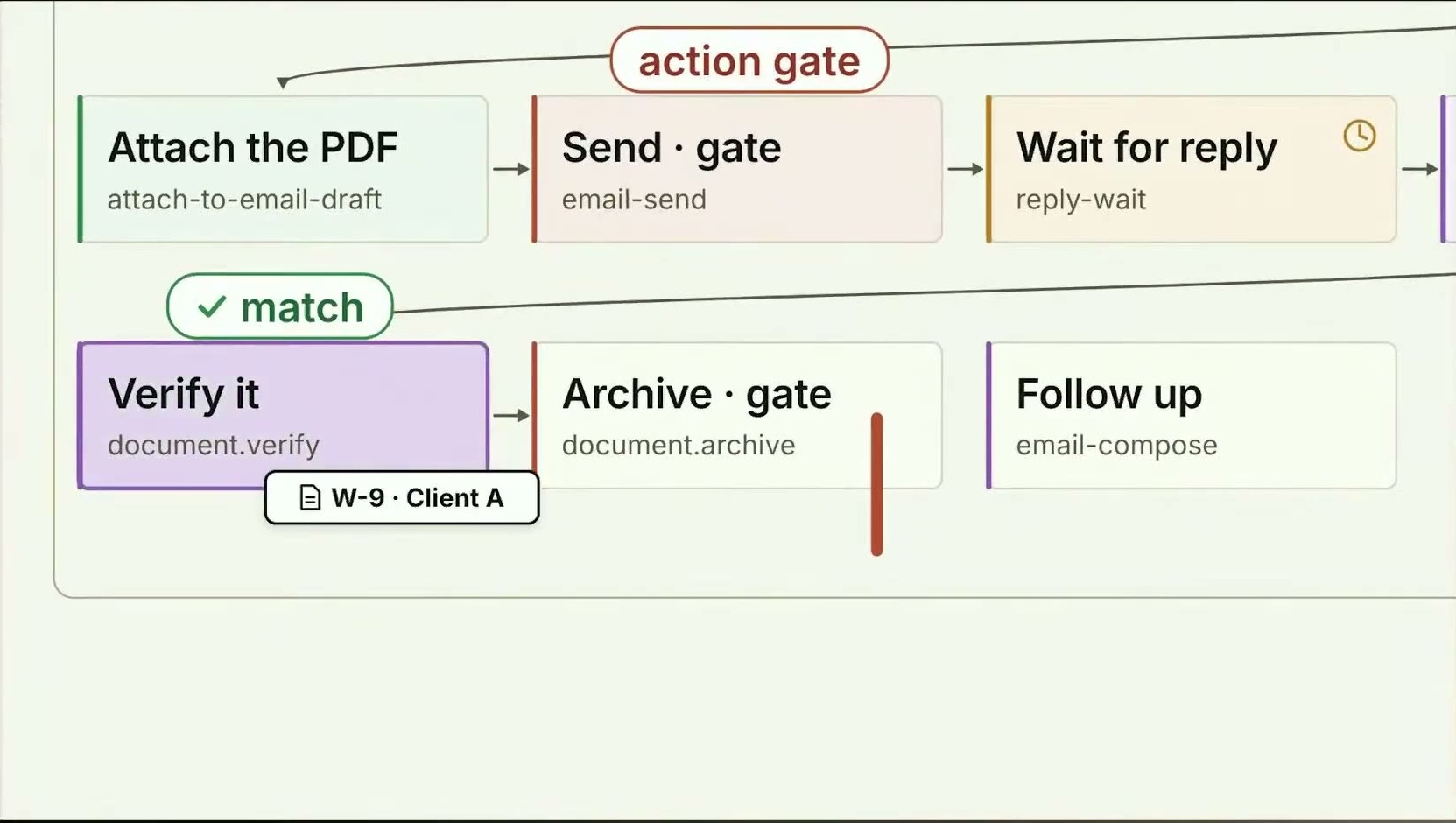
返回的表格会经过验证。如果匹配,就在另一个关卡后归档;如果不匹配,计划就会继续跟进。现在看看虚线步骤:渲染 PDF、添加附件、判断回复。规划器并没有要求这些步骤。语法根据操作契约的要求把它们补了进来。在刚才的例子里,等待、审批和跟进占了大部分工作。在这里,它们是计划中的节点,而不是提示词。等待回复的默认时长是 72 小时,明确指定的截止时间可以从 1 分钟到 30 天不等。超过期限后,由规则而不是模型决定接下来怎么做。一项审批涵盖整个计划以及每个外部操作,例如发送邮件或发起签名请求;
The returned form is verified. If it matches, it's archived behind another gate. If it doesn't, the plan follows up. Now look at the dashed steps. Rendering the PDF, attaching it, judging the reply. The planner never asked for them. The grammar added them because the contracts require them. In the story, waiting, approvals, and follow-ups were most of the work. Here there are nodes in the plan, not prompts. A reply wait defaults to 72 hours and an explicit deadline can be anything from a minute to 30 days. When it passes, a rule decides what happens, not a model. One approval covers the plan and every external action like sending an email or
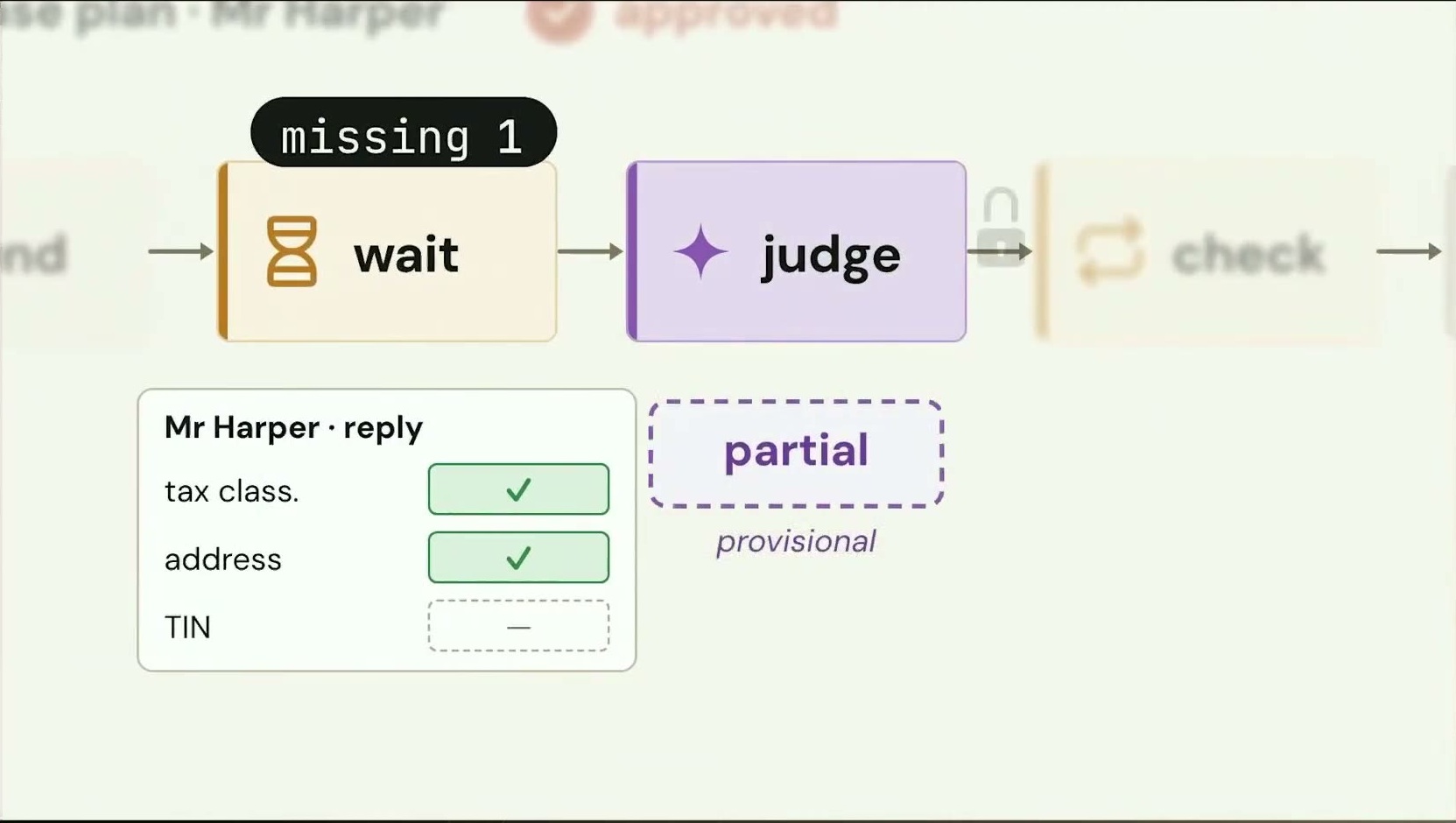
签名请求有自己的关卡。审批与确切载荷的哈希绑定,并且会在发送前再次核验。客户只回复我们所要求内容的一部分时,回复判断器会将其标记为“部分”。这一判断是暂定的。该步骤会保持阻塞,直到有一位人员确认。人员确认后,该步骤解除阻塞。随后,跟进会作为一个新的子计划。已获批的父计划绝不会被修改,最多只进行 5 轮。
a signature request has its own gate. The approval is tied to a hash of the exact payload and it's checked again right before sending. When a client replies with only part of what we asked, the reply judge marks it partial. That judgment is provisional. The step stays blocked until a person confirms it. A person confirms it and the step unblocks. Then the follow-up runs as a new child plan. The approved parent is never changed and there are at most five rounds.
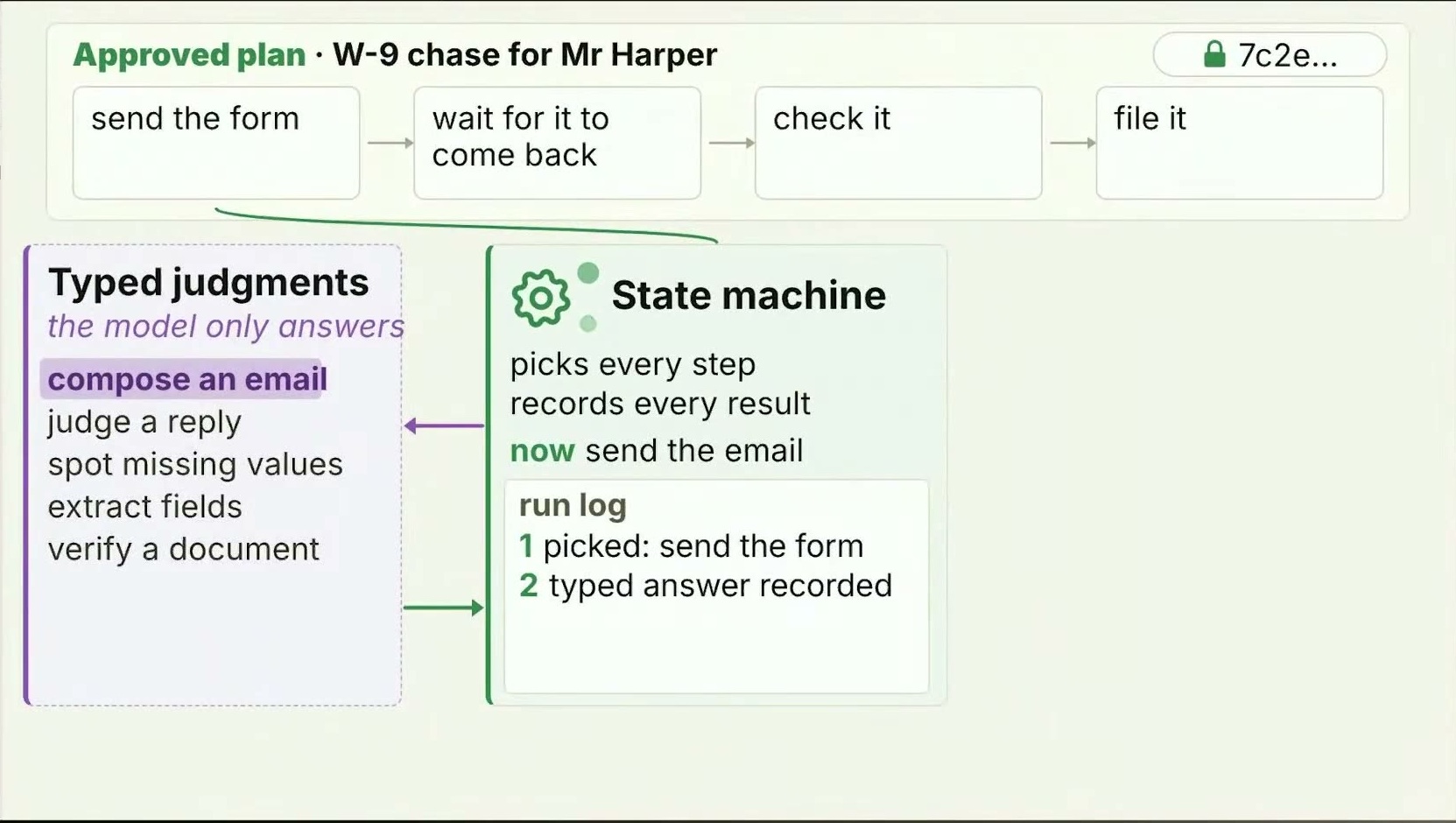
计划获批后,状态机就会运行它。它会选择每个步骤,并记录每项结果。当某一步需要判断时,它会进行一次固定结构的模型调用:撰写邮件、判断回复、查找缺失信息、提取字段、验证文件。模型返回带类型的答案,然后由状态机决定如何处理。副作用有自己的生命周期:
Once a plan is approved, a state machine runs it. It picks every step and records every result. When a step needs judgment, it makes one fixed schema model call. Compose an email, judge or reply, spot missing values, extract fields, verify a document. The answer comes back typed, and the state machine decides what to do with it. Side effects get a life cycle of their own.
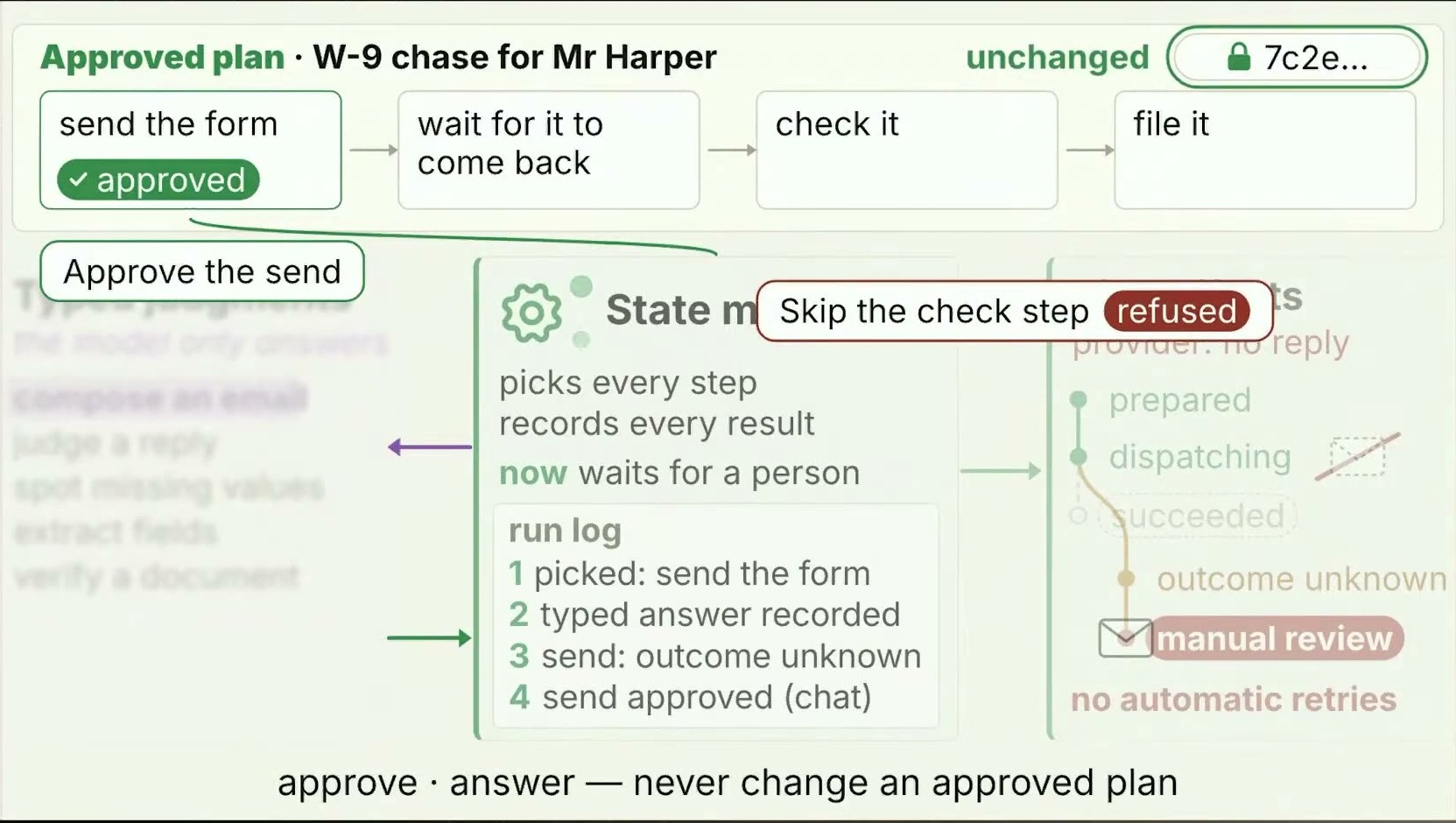
准备、派发中、成功;或者当外部世界没有明确回应时,标记为结果未知,并转入人工审核。系统不会自动重试。聊天消息可以批准一个步骤或回答问题,但不能修改已经获批的计划。模型负责引导,绝不负责驱动执行。现在看看还剩下哪些事情需要模型做。除了规划器之外,判断都范围很小,而且有明确类型:回复完整吗?文件匹配吗?哪个字段对应什么?这些任务不需要前沿模型的智能。一个快速的小模型,也就是 Flash 档模型,就可以处理
Prepare, dispatching, succeeded, or when the world doesn't answer cleanly, outcome unknown, and manual review. There are no automatic retries. A chat message can approve a step or answer a question. It can't change an already approved plan. The model steers. It never drives. Now look at what is left for the model to do. Outside the planner, the judgments are small and typed. Is this reply complete? Does this document match? Which field is which? They don't need frontier intelligence. A fast small model, the flash tier, can handle
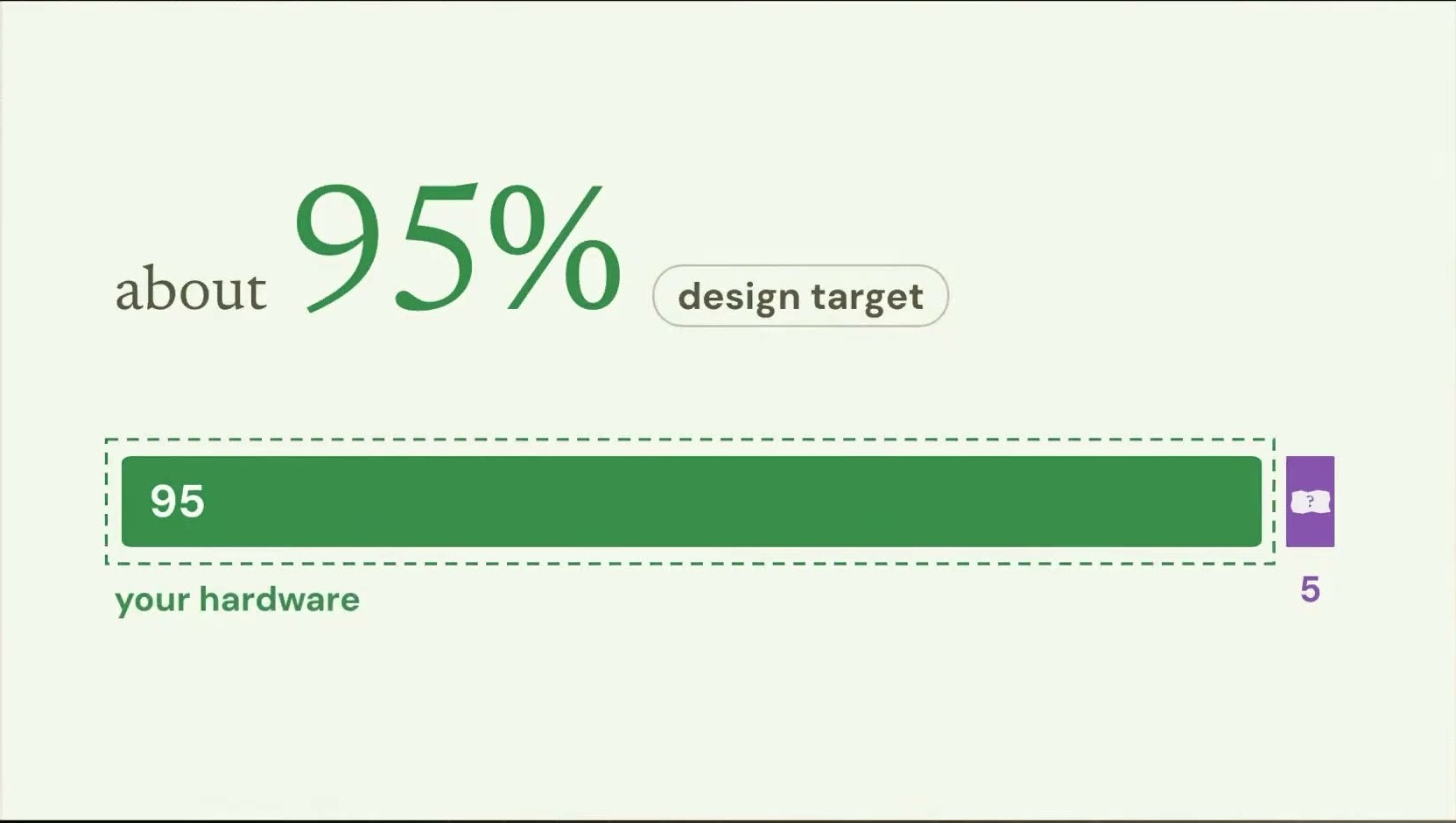
它们。在这个示例运行中,20 次决策里,19 次交给 Flash 档模型,只有 1 次交给前沿模型。这就是我们为何设计成一个工作流中约 95% 的模型决策都不需要前沿模型,而且 Flash 档模型可以运行在由你控制的硬件上。只有真正困难的情况才会交给前沿模型。
them. In this illustrative run of 20 decisions, 19 go to the flash tier and one goes to the frontier. That is why we designed for about 95% of model decisions in a workflow never never needing a frontier model and the flash tier can run on hardware you control. Only the genuinely hard cases go to a frontier model.
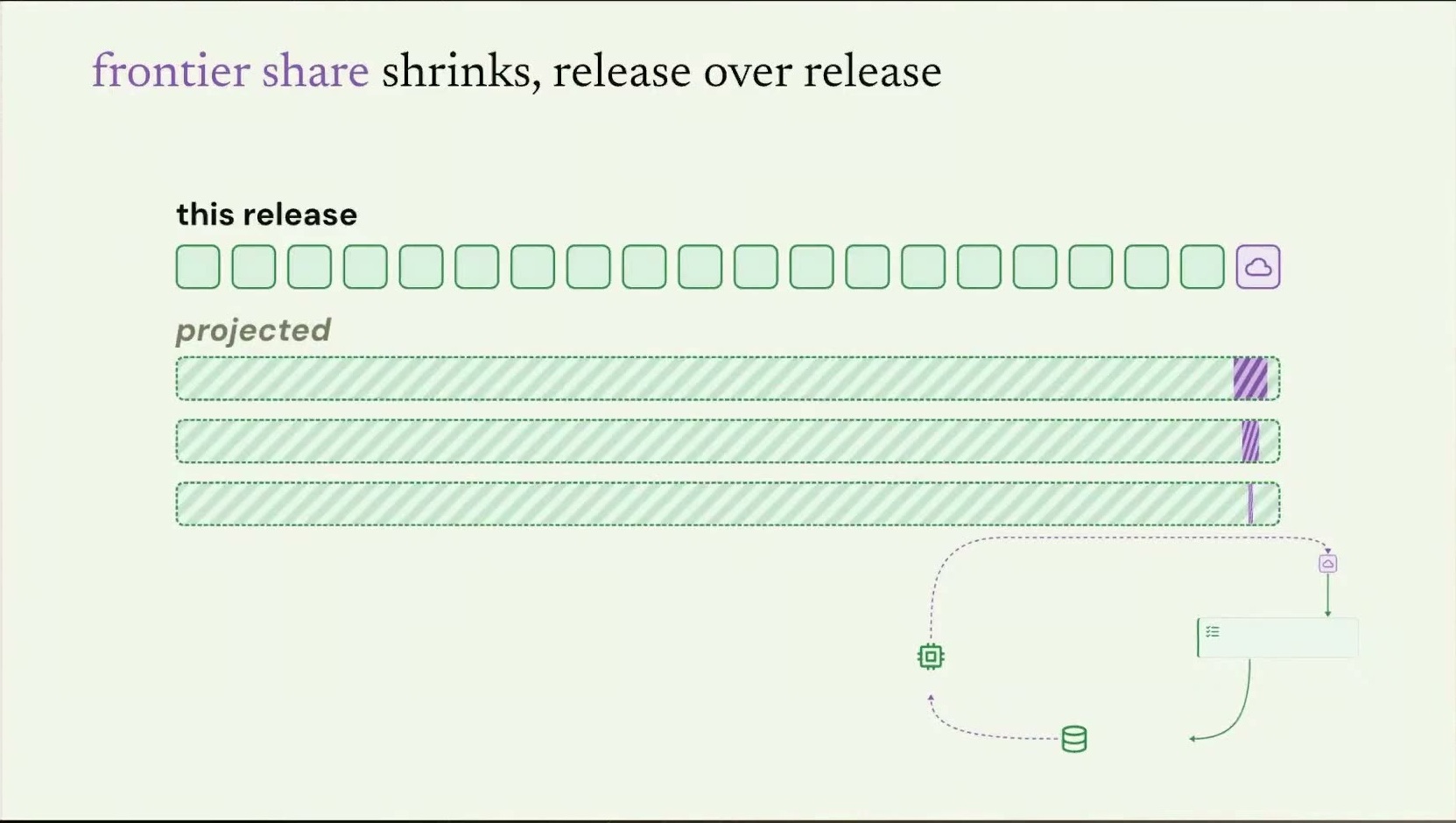
这 5% 不会成为永久税负,因为每次判断都有明确类型并被记录,而暂定判断会由人确认或否决。每次前沿模型决策都会产生评测级别分布——这是由系统设计自然生成的真实训练数据。这些数据可以用于对 Flash 档模型进行后训练。记录和评测今天就已存在。训练闭环是下一步。因此,前沿模型占比会随着每次发布逐步下降,直到连困难案例也能运行,在本地。还记得我们一开始提出的要求吗?数据很敏感。我们需要一条路径,把工作流完全迁移到私有托管的 LLM 上。那么这种设计真的能做到吗?来看
the 5% is not a permanent tax because every judgment is typed and logged and the provisional ones are confirmed or rejected by a person. Each frontier decision produces eval grade distribution real training data by construction. That data can post train the flash tier. Logging and evals exist today. The training loop is next. So the frontier share shrinks release over release until even the hard cases run locally. Remember the requirement we started with because data is sensitive. You need a path to move workflows entirely to privately hosted LLMs. So can this design really get there? Take
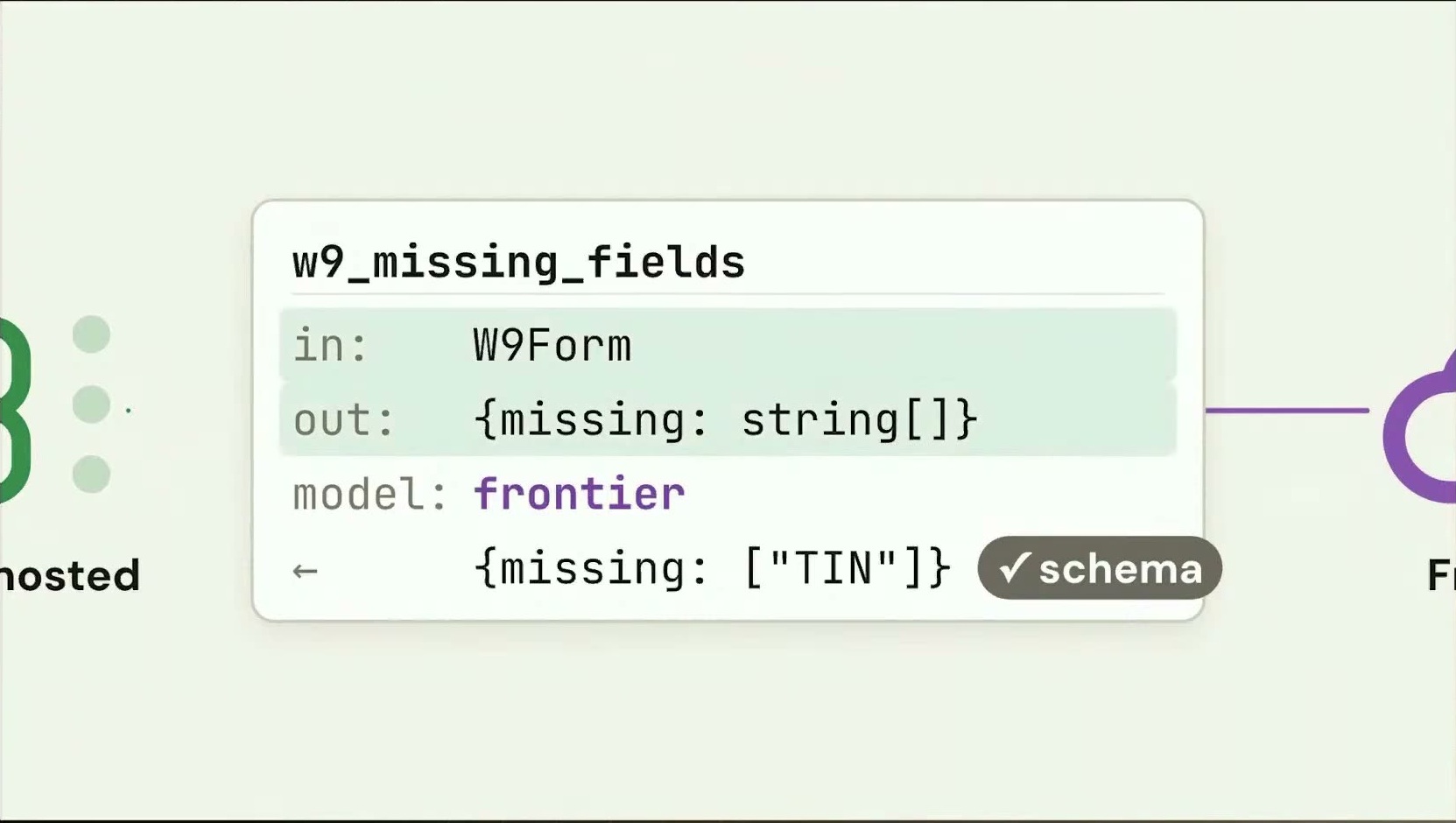
Harper Burbinine 计划中的一次类型化调用。每一次模型调用范围都很小、类型明确,并经过结构校验。因此把它指向私有托管模型只需要更改配置,而不必重写系统。改一行配置,就能得到相同答案。其他
one type call from the Harper Burbinine plan. Every model call is small, typed and checked against a schema. So pointing it at a privately hosted model is a configuration change, not a rewrite. One line changes and the same answer comes back. Every
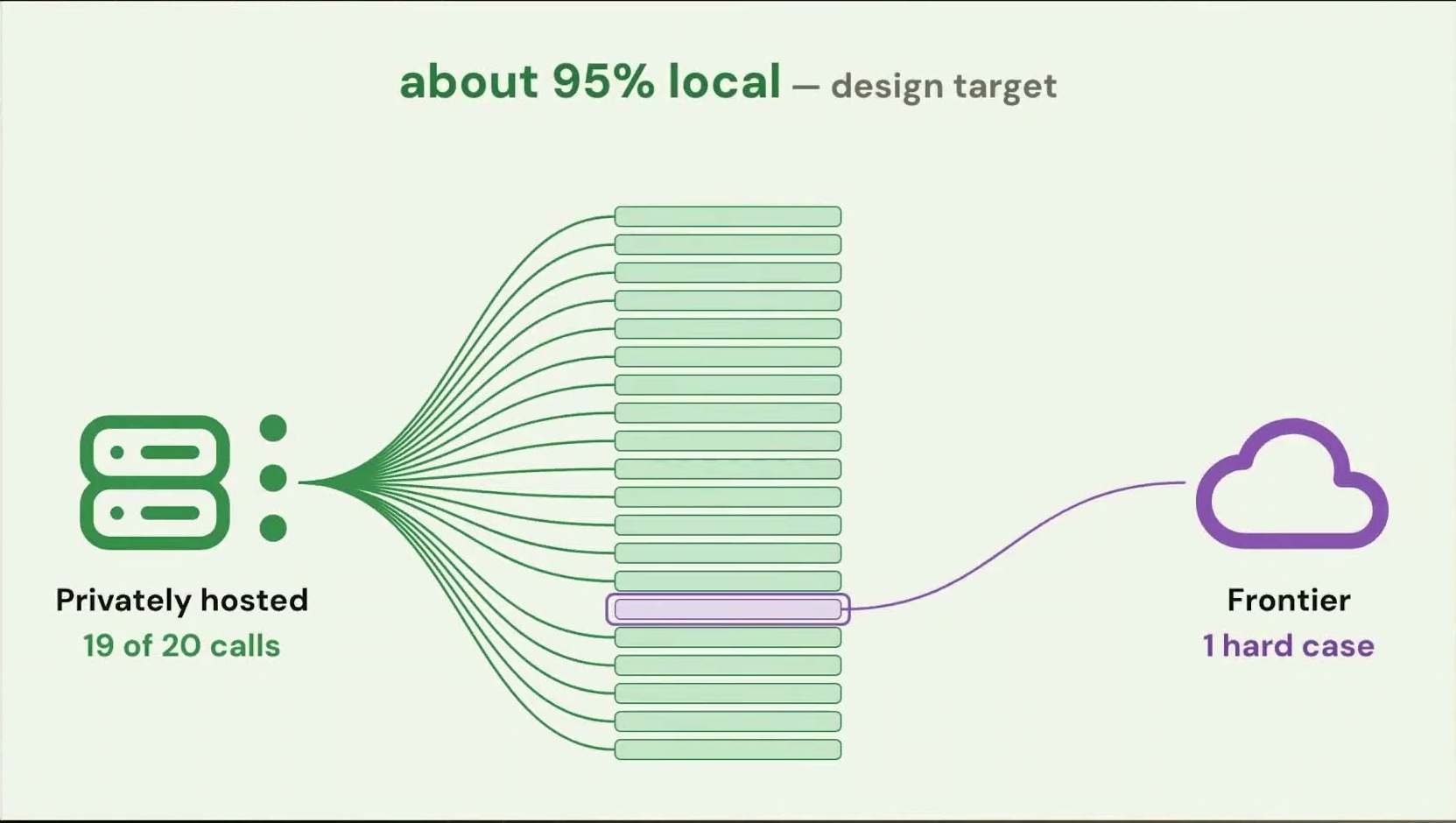
每次调用也都具有同样的小型类型结构。因此同样的配置变更适用于其中绝大多数调用。这就是大约 95% 的本地推理能够实现的方式:它是架构带来的结果,而不是政策承诺。这就是敏感数据所要求的路径;随着每次发布,合规风险会通过工程路线逐步降低。如果只记住一件事,不要问系统应该具备更多还是更少的自主性。要问边界在哪里。让确定性负责控制流、证据和副作用。让智能负责解释和判断。
other call has that same small type shape. So the same change applies to almost all of them. That is how about 95% local inference becomes viable as an architectural consequence, not a policy promise. That is the path that sensitive data demands and compliance risk goes down as an engineering roadmap, release by release. So if you remember one thing, don't ask whether your system should have more agency or less. Ask where the boundary is. Let determinism govern control flow, evidence and side effects. Let intelligence handle interpretation and judgment.
在类型明确的节点上,你可以检查每次判断,并利用记录下来的判断,让下次需要的判断更少。要问边界在哪里。谢谢大家。我是 Karthic,Perpetual 的首席技术官。
At typed points, you can inspect and use every judgment you log to need less of it next time. Ask where the boundary is. Thank you. I'm Karthic, CTO at Perpetual.